Thinking about leaving the Bay Area but worried you will trade convenience for too much change? If Vacaville is on your shortlist, you are not alone. Many movers are drawn to the idea of more space, a different pace, and home prices that look far more approachable than San Francisco or San Jose. In this guide, you will get a practical look at what day-to-day life, housing, and commuting can really feel like in Vacaville so you can make your move with more confidence. Let’s dive in.
Why Bay Area buyers look at Vacaville
Vacaville sits in northern Solano County, roughly between Sacramento and San Francisco, and has a population of about 104,000 residents. The city is often described through a mix of small-town feel, open space, shopping, and regional access. For many Bay Area movers, that combination feels like a middle ground between a major metro and a more suburban lifestyle.
You may also notice that homeownership is a bigger part of the local picture here. Census QuickFacts shows a 67.5% owner-occupied rate in Vacaville, along with a median owner-occupied home value of $620,900 and median gross rent of $2,299. That does not mean every move will be easy, but it does help explain why Vacaville gets attention from buyers who want more long-term housing options.
Home prices feel very different
For many Bay Area households, the biggest surprise is how far a housing budget may stretch in Vacaville. In March 2026, Vacaville’s median sale price was $628,165. By comparison, San Francisco was $1,687,500 and San Jose was $1,489,000.
That puts Vacaville about 62.8% below San Francisco and 57.8% below San Jose on median sale price. While your exact buying power depends on your financing, down payment, and goals, the overall pattern is clear. In many cases, buyers moving inland find they can target more square footage, more detached-home options, and more yard or garage space than they were seeing in core Bay Area markets.
What your budget may buy here
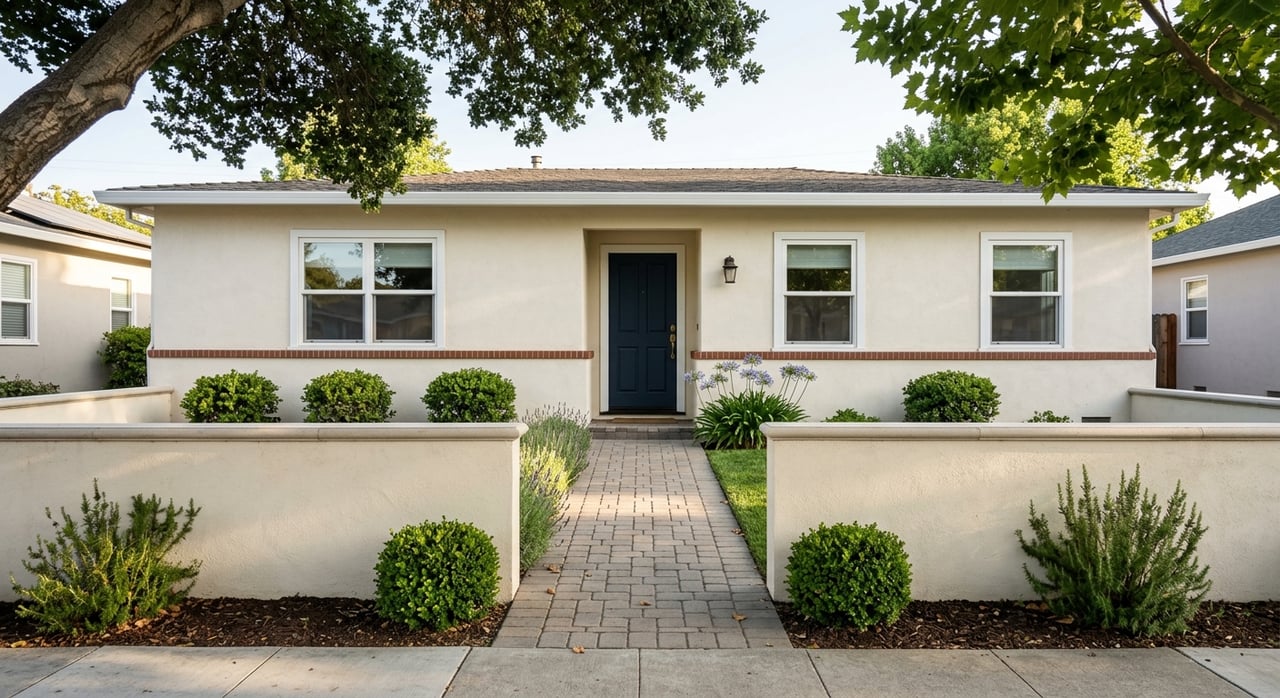
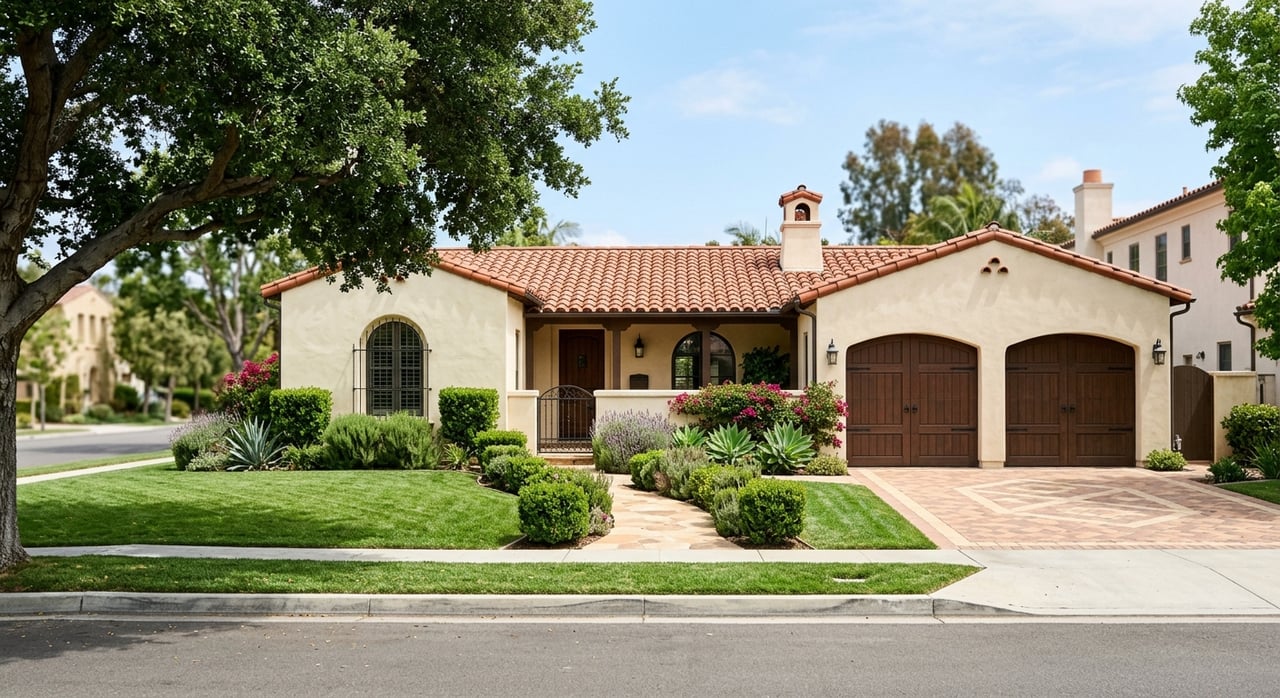
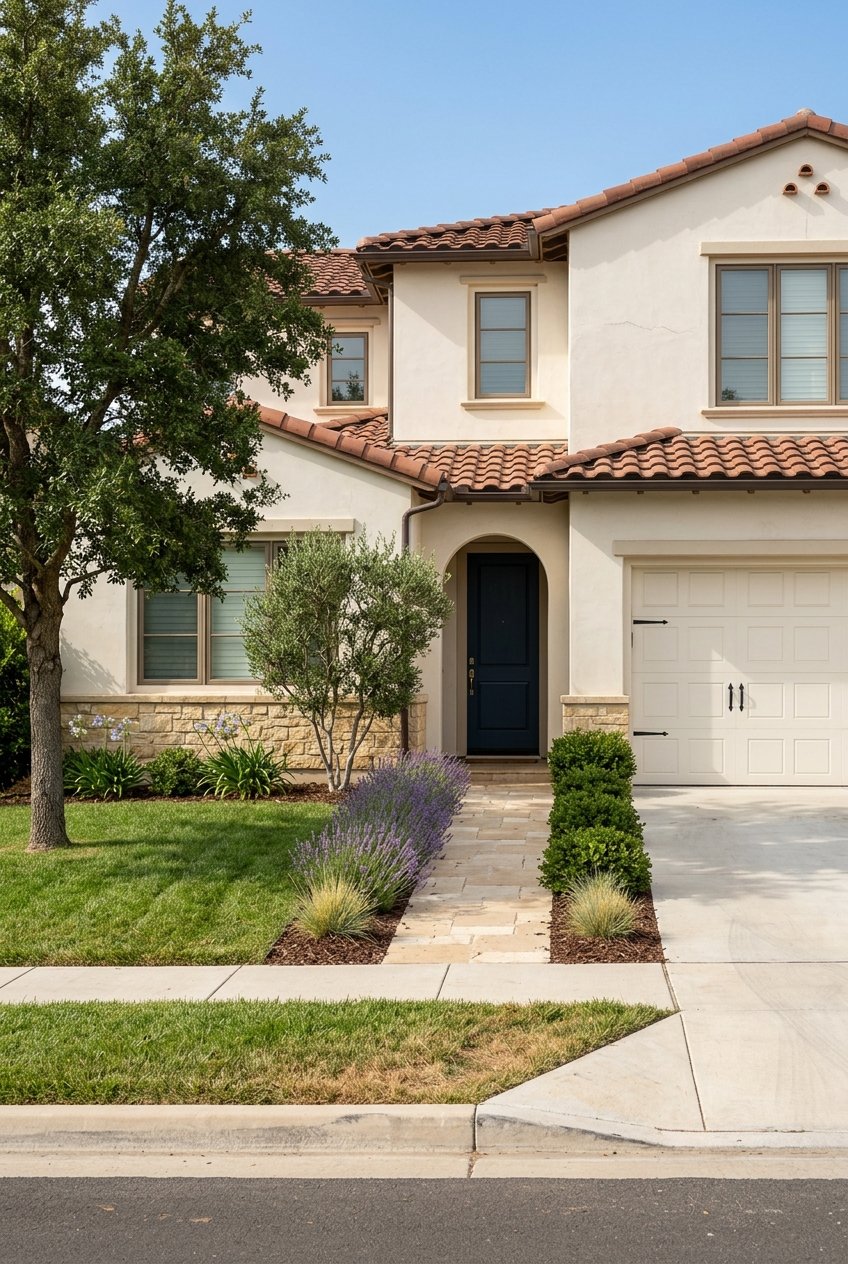
Vacaville’s housing stock is still heavily suburban. According to the city’s housing analysis, about 72% of housing units are single-family detached. The average new single-family home is about 2,300 square feet, which helps explain why so many Bay Area buyers see Vacaville as a place where space becomes more realistic.
The tradeoff is that the market is still competitive. Redfin reported a median 45 days on market in March 2026, which gives you more breathing room than some fast-moving Bay Area markets, but not unlimited time. If you are relocating, it helps to be clear on your must-haves early so you can move decisively when the right home appears.
Vacaville neighborhoods to know
Downtown Vacaville
If you want a more central and walkable-oriented setting, Downtown Vacaville is the area to watch. The city’s Downtown Specific Plan is designed to strengthen downtown as the heart of Vacaville, and the area includes 12 public parking lots with 853 spaces. Redfin reported a neighborhood median sale price of $508,000, making it one of the more accessible price points mentioned in current local data.
Downtown may appeal to you if you want a more historic setting and easier access to local events and businesses. Compared with other parts of Vacaville, it tends to feel more central and established. If you are moving from a denser part of the Bay Area, this may feel like the easiest transition.
North Village
If newer construction is your priority, North Village is one of the clearest examples of Vacaville’s planned growth. The city describes it as an 880-plus-acre mixed-use development with single-family homes, multifamily housing, commercial space, business park land, parks, open space, and school sites. Redfin reported a neighborhood median of $679,000.
For buyers coming from the Bay Area, North Village often stands out because it reflects a newer master-planned environment. You may find that the layout, newer product, and future growth plans line up well with buyers who want a more modern neighborhood feel. It is a useful area to explore if you want newer housing stock without jumping back into core Bay Area pricing.
Browns Valley
Browns Valley is a strong example of established suburban Vacaville. Redfin reported a neighborhood median sale price of $710,000, and the area connects to parks including Browns Valley Park and the Centennial Park corridor on Browns Valley Road.
If your goal is a quieter, park-oriented setting with detached homes, Browns Valley may be worth a closer look. It tends to reflect the more settled suburban side of the local market. For some Bay Area movers, that feels like the lifestyle shift they were hoping to make.
Southtown and east growth areas
If you are focused on where future inventory and newer amenities may appear, pay attention to Southtown and the east-of-Leisure-Town corridor. The city says Southtown has 918 single-family homes developed so far, with an apartment site still under development. Other local growth plans point to thousands of additional homes, plus neighborhood parks, mixed-use parcels, school sites, and open space.
These areas matter if you are thinking long term. If you want the chance to buy into a growing part of the city, this is where a lot of that story is unfolding. You may see more opportunities tied to newer communities and future neighborhood-serving uses here than in older parts of town.
Commute expectations matter
One of the biggest mindset shifts in a move from the Bay Area to Vacaville is commute planning. Vacaville sits on the I-80 corridor, and the city is actively involved with Solano Transportation Authority, Caltrans, and MTC on the I-80 Managed Lanes Project to improve congestion and reliability. That alone tells you freeway travel is a real part of everyday life for many residents.
Vacaville’s mean travel time to work is 28.2 minutes, according to Census QuickFacts. That number gives a useful citywide snapshot, but your actual commute can vary widely based on where you work and how often you need to travel west toward the Bay Area. If you expect to commute regularly, it is smart to test the route and travel times before you buy.
Transit is useful, but regional
If you are used to Bay Area transit options, Vacaville’s system may feel different. Vacaville City Coach runs five fixed routes inside the city, and City Coach Direct offers app-based curb-to-curb microtransit. Both connect riders to local hubs including the Vacaville Transit Plaza, Vacaville Transportation Center, and the Fairfield-Vacaville Train Station.
Regional connections are part of the picture too. The city coordinates with SolTrans and Yolobus, and the SolanoExpress Blue Line connects Vacaville with Dixon, UC Davis, Fairfield, Benicia, and the Walnut Creek BART station. The Capitol Corridor also serves the Fairfield-Vacaville station and runs between the Bay Area, Sacramento, and San Jose.
That said, this is still more of a regional commute setup than an urban rapid-transit experience. Train-plus-transfer options can work for some trips, but you should expect more planning and longer travel times than a short suburb-to-city hop. If transit access matters to you, it helps to map your actual work and lifestyle destinations in advance.
Day-to-day lifestyle feels more suburban
Living in Vacaville usually means a stronger emphasis on detached homes, parks, open space, and regional retail than on dense urban amenities. That difference can be a huge plus if you are looking for more breathing room. It can also take adjustment if you are used to walking to everything.
This is one of the main lifestyle tradeoffs to think through honestly. You may gain more space and a calmer residential feel, but daily errands, commuting patterns, and social routines may become more car-oriented. For many Bay Area movers, that shift is worth it, but it is best to go in with clear expectations.
Expect hotter summers
One practical difference many Bay Area transplants notice right away is the weather. Vacaville is an inland city, and summer heat is a real part of life here. Redfin and First Street climate data rate Vacaville, Browns Valley, and North Village as major-heat-risk areas.
If you are coming from a cooler microclimate, this can affect what you want in a home. Shade, air conditioning, and yard design may become more important than they were in your Bay Area search. It is a small detail on paper, but it can make a big difference in day-to-day comfort.
How to prepare for the move
A Bay Area to Vacaville move tends to go more smoothly when you plan around lifestyle, not just price. Before you make the jump, focus on a few key questions:
- How often will you commute, and by car or transit?
- Do you want newer construction or a more established area?
- Is walkability a top priority, or do you prefer more space?
- How important are yard size, garage space, and home layout?
- Are you comfortable with hotter inland summers?
The clearer you are on those answers, the easier it becomes to narrow your search. In a city like Vacaville, the right fit is often less about one “best” neighborhood and more about matching your routine to the right part of town.
The bottom line on relocating to Vacaville
If you are moving from the Bay Area, Vacaville can offer a meaningful reset. Home prices are far lower than in San Francisco and San Jose, the housing stock leans strongly toward detached suburban homes, and the city gives you regional access along with a more open, less dense day-to-day environment.
At the same time, the move comes with real tradeoffs. Commutes are often regional, transit is useful but not urban-style, and summer heat is something you will want to plan around. If you want help comparing neighborhoods, understanding what your budget could buy, or building a relocation plan that fits your routine, the Loney & Worley Team is here to help.
FAQs
What is the median home price in Vacaville compared with San Francisco and San Jose?
- In March 2026, Vacaville’s median sale price was $628,165, compared with $1,687,500 in San Francisco and $1,489,000 in San Jose.
What commute should Bay Area movers expect from Vacaville?
- Vacaville’s mean travel time to work is 28.2 minutes citywide, but Bay Area commutes can be much longer depending on your destination, route, and transfer needs.
What transit options are available in Vacaville for regional travel?
- Vacaville offers City Coach fixed routes, City Coach Direct microtransit, connections through SolTrans and Yolobus, SolanoExpress Blue Line service, and access to Capitol Corridor at the Fairfield-Vacaville station.
Which Vacaville areas are good for newer homes?
- North Village, Southtown, and the east-of-Leisure-Town growth areas are the main places to watch for newer housing and ongoing development.
Which Vacaville area feels more central and walkable-oriented?
- Downtown Vacaville is the city’s most central, walkable-oriented area and is often the best fit for buyers who want a more established and event-centered setting.
What weather difference should Bay Area movers expect in Vacaville?
- Vacaville is hotter than many Bay Area microclimates, so buyers often pay closer attention to air conditioning, shade, and outdoor design when choosing a home.