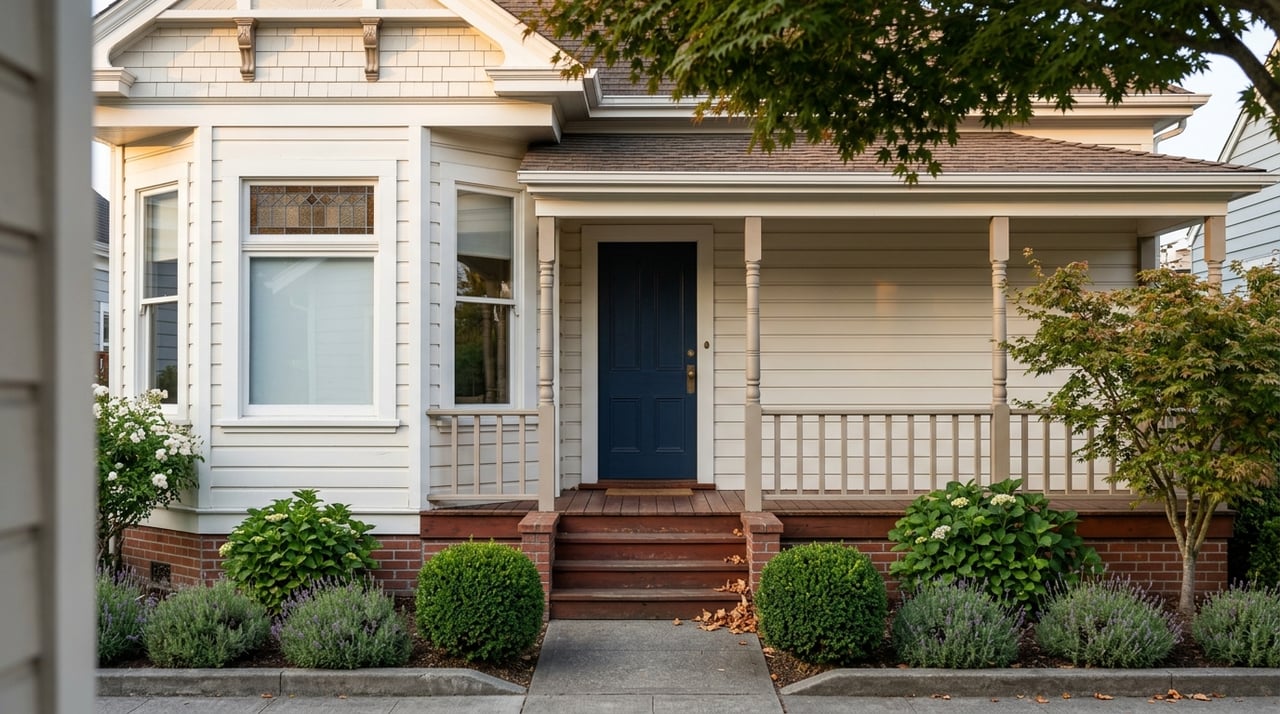
If you love homes with story, Benicia gives you plenty to explore. From early wood-frame cottages to Craftsman bungalows and later Ranch-era houses, the city’s historic homes reflect layers of local history tied to the waterfront, downtown, and the former Arsenal. If you are thinking about buying, selling, or caring for one of these properties, this guide will help you understand the styles, upkeep needs, and value factors that matter most. Let’s dive in.
Benicia’s historic setting
Benicia’s housing story is closely tied to its early role as a waterfront, transportation, and military center. The city was founded in 1849, became California’s third incorporated city in 1851, briefly served as the state’s third capital in 1853, and later expanded around waterfront industry and the Benicia Arsenal.
Today, that history still shows up in the built environment. The Downtown Historic District includes the First Street commercial area and nearby neighborhoods, while the Arsenal Historic District preserves the former military post east of town. According to the city, these historic resources help tell Benicia’s story from early California settlement through the years leading into World War II.
Historic preservation also plays an active role in the city today. Benicia has adopted conservation plans for downtown and the Arsenal, along with a citywide context statement to guide identification and treatment of historic resources. The city also notes that historic buildings can support the local economy by helping preserve property values, attract visitors, and encourage investment.
Common home styles in Benicia
Benicia’s historic homes are not all grand or ornate. In fact, many of the earliest residential buildings were modest in scale, which is part of their charm and character.
Early wood-frame houses
Some of Benicia’s earliest homes were simple rectangular wood-frame houses set back from the street. Common features included gable or hip roofs, wood clapboard or shiplap siding, double-hung wood-sash windows, paneled or glazed wood doors, and front porches.
These homes often appeal to buyers who want original character without an oversized footprint. For sellers, those straightforward forms can also make architectural details stand out more clearly when the home has been well maintained.
Greek Revival, Gothic Revival, and Italianate influences
From the mid-19th century through about 1885, many vernacular folk houses in Benicia took on influences from popular styles of the time. You may see Greek Revival traits such as symmetrical facades and Classical porch details.
Other homes show Gothic Revival cues like steep gables and verge boards. Italianate influence can appear in bracketed rooflines, hooded windows, and bay windows. These details can help a home feel visually distinct, which often matters to buyers drawn to historic architecture.
Queen Anne and rare Shingle style
Late-19th-century homes in Benicia sometimes feature Queen Anne design elements. These can include asymmetrical layouts, towers or projecting bays, spindlework, fish-scale shingles, and multilight windows.
Homes from this period often create strong first impressions because of their texture and variety. Benicia’s historic context statement also identifies a rare Shingle-style example, which highlights how varied the city’s historic housing stock can be.
Craftsman homes
Early-20th-century Craftsman homes remain especially popular with many buyers. In Benicia, these homes commonly show simple massing, front or side gables, exposed rafter tails, knee braces, shingle or bevel siding, and battered porch columns.
Craftsman homes often strike a balance between character and everyday livability. Their practical layouts and recognizable architectural details can make them a strong fit for buyers who want historic appeal without excessive ornament.
Minimal Traditional and Ranch-era homes
Historic value in Benicia is not limited to the 1800s. By the 1930s through the postwar years, Minimal Traditional, Ranch, and other vernacular forms became common.
These homes often have rectangular or L-shaped massing, shallow gables or eaveless rooflines, horizontal emphasis, simple porches, and occasional attached or converted garages. For many buyers, these homes offer a more understated kind of historic character that still connects to Benicia’s development story.
Why style matters to buyers and sellers
Style matters because it shapes both emotional appeal and practical expectations. Buyers often respond first to visible character, such as original siding, porch columns, windows, rooflines, or decorative trim.
At the same time, style can affect how you plan updates and maintenance. A buyer considering a historic home in Benicia should think beyond surface charm and understand which features may be important to preserve or review before making changes.
For sellers, identifying a home’s style and period helps frame the property correctly in the market. Clear, accurate positioning can make it easier for buyers to appreciate what is original, what has been improved, and what makes the home distinctive within Benicia.
Caring for a Benicia historic home
Owning a historic home can be rewarding, but it usually calls for a more thoughtful approach to upkeep. The goal is not just to fix what is broken, but to understand how repairs and upgrades fit the home’s character and the city’s rules.
Know when design review may apply
In Benicia’s historic districts, exterior changes are reviewed for consistency with adopted plans and design guidelines. The city says many maintenance, repair, and minor projects may be exempt, but removal, replacement, or alteration of architectural features, additions, and demolition often require design review.
This is one of the most important points for both buyers and sellers. Before you plan a remodel, replace exterior materials, or market a home based on future expansion ideas, it is smart to verify what kind of review may be required.
Plan for the city’s timeline
If a project needs review, timing matters. The city says a complete application and fee must be submitted first, review can take up to 30 days per submittal, commission-level projects usually need at least 28 days of lead time for a public hearing, and building permits are not issued until after the 10-working-day appeal period.
That means historic-home projects can involve more lead time than owners expect. If you are buying with renovation plans or selling a home with recent or pending improvements, this timeline is worth understanding upfront.
Pay attention to older-home safety issues
Benicia’s building-safety resources include dedicated information for homes built before 1978, replacement windows, sewer and water line replacements, renovation and demolition, and asbestos compliance. That matters because older homes may come with issues that are common for their era, even when they are well cared for.
For pre-1978 housing, lead-based paint is a key consideration. The EPA notes that older homes are more likely to contain lead-based paint and recommends lead-safe contractors and lead-safe work practices during renovation, repair, and painting projects.
Preserve original features when possible
For many historic homes, original materials are part of the value. Rehabilitation guidance from the National Park Service emphasizes retaining historic materials and features when possible, minimizing replacement, and making energy or mechanical upgrades compatible with the building’s historic character.
That idea is especially relevant for windows. Original wood windows often can be repaired and retained rather than replaced, which can help preserve the look and feel that attracts buyers to historic homes in the first place.
Understand emergency repair rules
Historic properties can have urgent repair needs, especially as buildings age. Benicia notes that the California Historic Building Code is intended to address the special problems of historic buildings, but emergency repairs still require direction from the city and a written declaration of imminent danger.
In other words, even urgent situations should be handled carefully. If a major issue arises, it is important to coordinate with the city rather than assume normal repair rules apply.
What historic-home value looks like in Benicia
Character alone does not determine market value, but it can be a meaningful factor in buyer interest. In a place like Benicia, where historic identity is part of the city’s appeal, architectural character and location within recognized historic areas can help a property stand out.
Benicia’s overall market context remains strong. The U.S. Census Bureau’s 2020 to 2024 estimate shows a median value of owner-occupied housing units of $810,000, and Zillow’s June 2026 page lists an average home value of $793,287, with homes going pending in about 18 days.
Those citywide numbers do not price a specific historic home, but they do provide context. For a distinctive property, value may depend on condition, location, design integrity, lot characteristics, and how well past improvements align with the home’s original character.
The Mills Act and long-term cost planning
One of the most important value considerations for some historic-property owners is the Mills Act. Benicia says state law allows 10-year Mills Act contracts for qualified historic properties and that these contracts can reduce property taxes by 50 percent or more.
That potential savings can materially change the cost of ownership. At the same time, the program requires ongoing maintenance and inspection, and Benicia caps participation at 40 contracts.
For buyers, this means a historic home may come with opportunity as well as responsibility. For sellers, eligibility or an existing contract may be a meaningful point to discuss as part of the property’s overall ownership picture.
Due diligence before you buy or sell
Historic homes reward careful research. One of the most important first steps is to verify whether a property is within a historic district or identified as a historic resource before planning changes or making assumptions about what can be updated.
Benicia provides district pages, lists of historic buildings, and survey forms for that purpose. The city’s design-review information also explains which projects may be exempt and which require approval.
A practical due-diligence checklist can help you stay organized:
- Confirm whether the property is in the Downtown Historic District or Arsenal Historic District
- Check whether the property is identified as a historic resource
- Review any prior exterior changes or additions
- Ask whether planned work may need design review
- Look into building-safety items tied to older homes, including pre-1978 conditions
- Evaluate whether the property may qualify for the Mills Act or is already under contract
For sellers, this same preparation can reduce surprises and improve marketing clarity. For buyers, it can help you make a more confident decision before you commit.
Why local guidance matters
Historic homes are rarely one-size-fits-all. Two properties on the same street can differ in age, style, condition, review requirements, and improvement potential.
That is why local context matters so much in Benicia. A thoughtful real estate strategy should account for the home’s architectural character, city review considerations, likely buyer expectations, and the current market environment.
Whether you are buying a cottage near downtown, preparing to sell a Craftsman, or exploring the value of a long-held family property, the right guidance can help you balance history, practicality, and market value.
If you are thinking about buying or selling a historic home in Benicia, the Loney & Worley Team can help you evaluate the property, understand the local market, and plan your next move with confidence.
FAQs
What makes a home historic in Benicia?
- In Benicia, a home may be within a historic district or identified as a historic resource, and those designations can affect how exterior changes are reviewed.
What home styles are common among Benicia historic homes?
- Common styles and forms include early wood-frame houses, vernacular homes with Greek Revival, Gothic Revival, or Italianate influence, Queen Anne homes, Craftsman homes, and later Minimal Traditional or Ranch-era houses.
Do exterior changes to historic homes in Benicia need approval?
- Many maintenance and minor projects may be exempt, but removal, replacement, or alteration of architectural features, additions, and demolition often require design review in Benicia’s historic districts.
Why are original windows important in a Benicia historic home?
- Original wood windows are often part of a home’s historic character, and preservation guidance notes that they can frequently be repaired and retained rather than replaced.
Can a Benicia historic home lower property taxes through the Mills Act?
- Qualified historic properties in Benicia may be eligible for a 10-year Mills Act contract that can reduce property taxes by 50 percent or more, subject to program requirements and availability.
What should buyers check before purchasing a historic home in Benicia?
- Buyers should confirm whether the property is in a historic district or identified as a historic resource, review possible design-review requirements, and look into older-home issues such as pre-1978 conditions and prior exterior work.