Have you pictured life among the vines in Napa Valley, then wondered where to begin? You are not alone. Buying a vineyard or estate here blends lifestyle, agriculture and complex rules. This guide breaks down property types, site factors, permits, costs and key due diligence so you can move forward with clarity. Let’s dive in.
Property types in Napa Valley
Vineyard-only parcels
Vineyard-only parcels are agricultural land with planted vines. These may be leased to growers or sold with grape contracts. Parcels can carry conservation or agricultural easements that limit subdivision or future development, so you should review deed restrictions closely.
Estate parcels
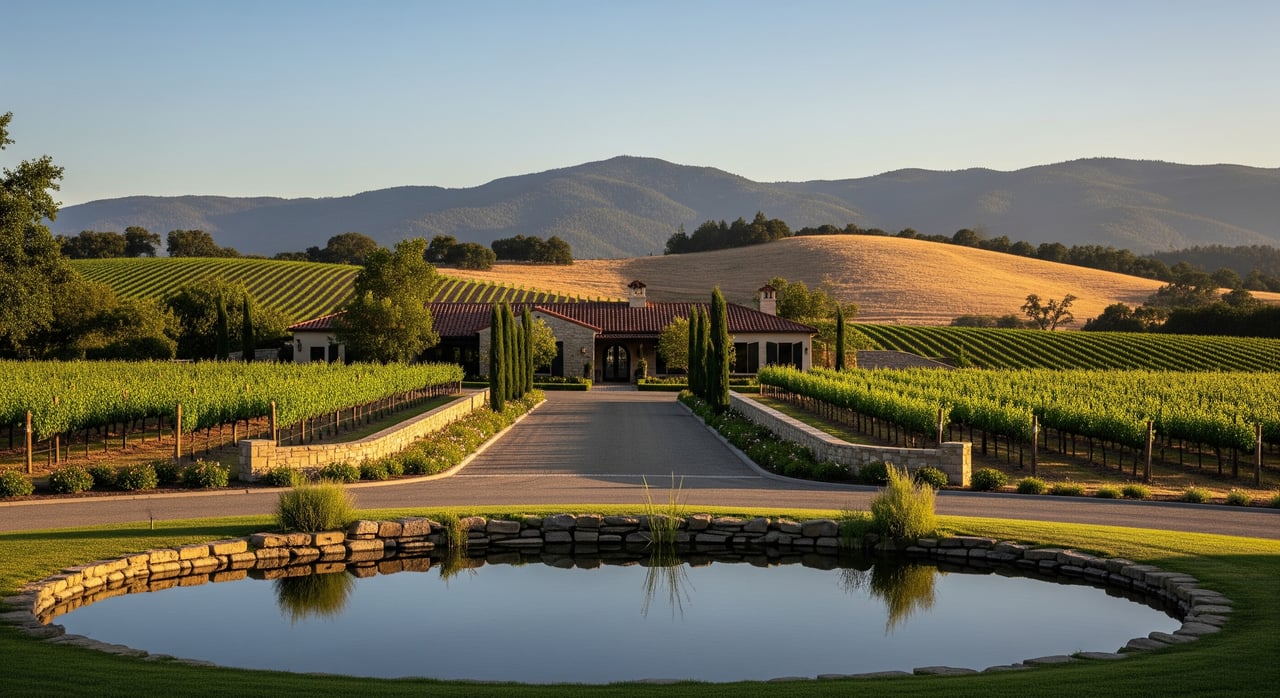
An estate combines a residence with vineyard acreage. You will evaluate the home, guest spaces, utilities, and septic or sewer in addition to the vines. Zoning and infrastructure needs make these hybrid properties a careful balance of lifestyle and agronomy.
Winery-permitted properties
Some sites include a valid winery use permit or an existing winery. These are rare and valuable because the permit shortens the path to production. Permits often carry conditions that limit production, visitors, events, hours, and wastewater operations, so read the approval carefully.
Raw land
Raw land is unplanted acreage. It often requires roads, terraces, irrigation, trellising, and erosion control before you can plant. Hillsides can offer quality and drainage, but they come with slope and conservation rules that add cost and time.
Leases and management agreements
You can own the land while contracting out vineyard management or grape marketing. Lease terms, yield guarantees, and termination clauses can affect value and risk. Make sure you understand who controls farming decisions and sales.
Location and site: What drives quality and lifestyle
AVA and sub-AVA
Napa Valley includes distinct sub-AVAs such as Howell Mountain, Stags Leap, Rutherford, Oakville, Yountville, Carneros, and Calistoga. AVA boundaries are set at the federal level and influence grape prices, marketing power, and typical varieties. Start with the appellation that matches your goals.
Climate and elevation
Proximity to San Pablo Bay, elevation, fog, and daily temperature swings shape ripening and style. Cooler Carneros often favors Pinot Noir and Chardonnay. Foothills and benchlands often fit Cabernet Sauvignon and other Bordeaux varieties.
Aspect, slope and soils
Sun exposure, slope and drainage affect vine vigor and frost risk. Soil depth and parent material can change within a few rows in Napa. A site-specific soil map and a viticulturist’s walk-through will guide rootstock, spacing and variety choices.
Water availability and irrigation
Water supply is central to vineyard health. Most properties rely on on-site wells, limited surface water, or municipal irrigation in select areas. Ask for well logs, pump tests, and current irrigation system specs. Seasonal springs and streams can be variable and may have environmental constraints.
Wildfire risk and access
Napa County has significant wildfire exposure. Review defensible space, on-site water for firefighting, and access for emergency vehicles. Fire risk can affect insurance availability and cost, so plan for mitigation and ongoing maintenance.
Napa rules and permits to understand
County zoning and winery use permits
New residences, wineries, and many changes require County review. A winery use permit is generally required to crush and bottle on-site. Conditions may limit production, visitor counts, events, and truck traffic.
Environmental review
Projects that need discretionary approvals often trigger environmental review under CEQA. Traffic, biological resources, or visual impacts may require mitigation. Build time and budget for this phase into your plan.
Alcohol permits and licensing
Commercial production involves federal bonding and permits, along with state licensing. If you plan to make and sell wine, include timelines for both federal and state approvals in your schedule.
Wastewater and septic capacity
Winery wastewater is regulated. On-site production usually needs a designed treatment system or hauling plan. Septic capacity often limits visitor-serving uses. Public sewer is uncommon in rural parcels, so verify permits and system specs early.
Agricultural and labor rules
Right-to-farm protections exist, but you must follow pesticide rules and worker safety standards. Housing for farmworkers is regulated and may require permits. Larger estates should factor labor and housing needs into site selection.
Conservation easements and tax programs
Some parcels carry conservation easements or are enrolled in ag-preserve programs. These reduce development rights in exchange for preservation or tax benefits. Always read the instrument to confirm allowed uses.
Operating models and economics
Value drivers in Napa
Location within a sub-AVA, vine age and variety, water rights, and existing permits all affect value. The Napa name supports premium pricing, but land and operating costs are higher than many regions. Your returns depend on both your site and your plan.
Establishment and rehabilitation
Planting or replanting is a multi-year timeline. Work includes site prep, trellising, irrigation, and plant material selection. Rehabilitating older blocks can be less costly than full replanting, but it still needs a realistic budget and schedule.
Sell grapes or produce wine
Selling grapes can generate seasonal revenue with fewer overhead needs. Producing estate wine adds potential margin, but it requires equipment, licensing, wastewater capacity, and staff. Many buyers start with grape sales or custom crush, then scale.
Insurance and risk management
Wildfire, crop, liability, and business interruption coverage are key. Carriers may require defensible space and hardening measures. Consider grape contracts and diversified sales to manage yield and price volatility.
Due diligence checklist for Napa buyers
- Confirm parcel boundaries, easements, and legal access. Review any private road maintenance obligations.
- Request vineyard maps, recent production records, and an age and variety map with rootstock, clone, and planting density.
- Pull well logs, pump tests, irrigation system specs, storage capacity, and any allocations or agreements.
- Order soil tests, erosion and drainage assessments, and review slope conditions if hillside is involved.
- Inventory all infrastructure: homes and outbuildings, equipment, storage, cold rooms, fuel tanks, and power capacity.
- Verify septic permits, winery wastewater design or hauling records, and system maintenance history.
- Evaluate fire mitigation, defensible space, onsite water for firefighting, and emergency vehicle access.
- Check for environmental constraints such as wetlands, special-status species habitat, or cultural resources.
- Confirm zoning and permitted uses, including any existing winery permit conditions.
- Review conservation easements with the holder and confirm tax program enrollment if applicable.
- Identify active grape contracts, management agreements, tenant leases, and termination terms.
- Review title insurance exceptions, recent tax bills, and assessor parcel data.
Build your local team early
- Local vineyard and estate broker with Napa transaction experience.
- Viticulturist and soil scientist for site evaluation and replant plans.
- Enologist or winery operations consultant if production is part of your plan.
- Land-use and real estate attorney for permits, easements, and entity structure.
- Civil engineer for roads, drainage, and wastewater systems.
- Hydrogeologist for water supply assessments.
- Fire mitigation and forestry specialist for defensible space planning.
- Insurance broker with agricultural and wildfire expertise.
- CPA familiar with farm and winery tax treatment and estate planning.
Napa vs other wine regions
- Strengths: Global brand recognition, premium grape and wine price points, established infrastructure, and strong resale value for appellation-branded land.
- Constraints: Higher land and operating costs, stricter land-use rules, limited availability, wildfire exposure, and insurance challenges.
- Alternatives: Regions like Sonoma, Paso Robles, Willamette Valley, and the Central or North Coast may offer lower acquisition costs and more flexible rules. The tradeoff is typically lower price premiums and different brand recognition.
Smart next steps
- Define your target sub-AVA and lifestyle needs first. Location drives grape suitability and price.
- Prioritize water, permits and easements in your first pass. These are frequent deal breakers and should shape your shortlist.
- Budget for non-farming costs, including wastewater systems, wildfire mitigation, insurance, and potential CEQA requirements.
- Consider a staged approach. Buy and lease out vines or use a custom crush partner at first, then build a permitted winery when the business case is clear.
If you want a clear plan tailored to your goals, connect with the Loney & Worley Team. Our local experience with vineyards, estates, and complex transactions helps you assess sites, assemble the right experts, and move with confidence.
FAQs
What should I evaluate first when buying a Napa vineyard?
- Start with sub-AVA location and water availability, then confirm permits and easements before digging into vine age, varieties, and infrastructure.
Do I need a permit to make wine on my property in Napa County?
- Yes, a winery use permit is generally required for on-site crushing and bottling, and you will also need federal and state alcohol-related approvals.
How does wildfire risk affect vineyard and estate purchases?
- Fire risk can impact insurance costs and availability, so you should review defensible space, access for emergency vehicles, and water sources for firefighting.
Should I sell grapes or make estate wine as a new owner?
- Selling grapes offers simpler operations and seasonal revenue, while producing estate wine may add margin but requires equipment, licensing, wastewater capacity, and staff.
What experts should be on my team before I make an offer?
- Engage a local broker, viticulturist, land-use attorney, civil engineer, hydrogeologist, insurance broker, and CPA early to streamline due diligence and planning.