What if your morning coffee, farmers’ market haul, and sunset river walk were all a short stroll from home? In Napa, your days can flow between a lively downtown and vineyard views that feel like a daily escape. If you are weighing a move, you probably want a clear picture of neighborhoods, housing types, everyday routines, commute choices, and realistic costs. This guide gives you that on-the-ground view so you can decide what fits your life. Let’s dive in.
Downtown rhythm vs. vineyard calm
Living in Napa often means choosing your daily backdrop. Do you want a walk-to-everything routine or a little more space and hillside views? You can get both within city limits, and your choice shapes how you spend your weekdays and weekends.
Downtown and Oxbow life
If you want a compact, walkable routine, downtown and the Oxbow District deliver. You can wander First Street’s tasting rooms and shops, then follow a self-guided downtown walking tour to discover art and river views. A quick stop at Oxbow Public Market makes everyday errands easy, from fresh produce to a grab-and-go lunch. Evenings feel social, with dining, wine bars, and the riverfront trail close at hand.
West and northwest neighborhoods
In the west and northwest parts of the city, you find established residential streets and many single-family homes. Blocks are leafy and calm, with quick drives to downtown for dinner or a show. This part of Napa fits if you prefer quieter streets but still want city conveniences nearby.
Coombsville and the eastern foothills
Toward the eastern foothills and Coombsville, homes can sit on larger lots with more space and views. You may trade some daily walkability for a serene setting that feels close to open space. It is a good match if you want a “rural-on-the-edge-of-town” feel without giving up quick access to the city core.
What homes look like
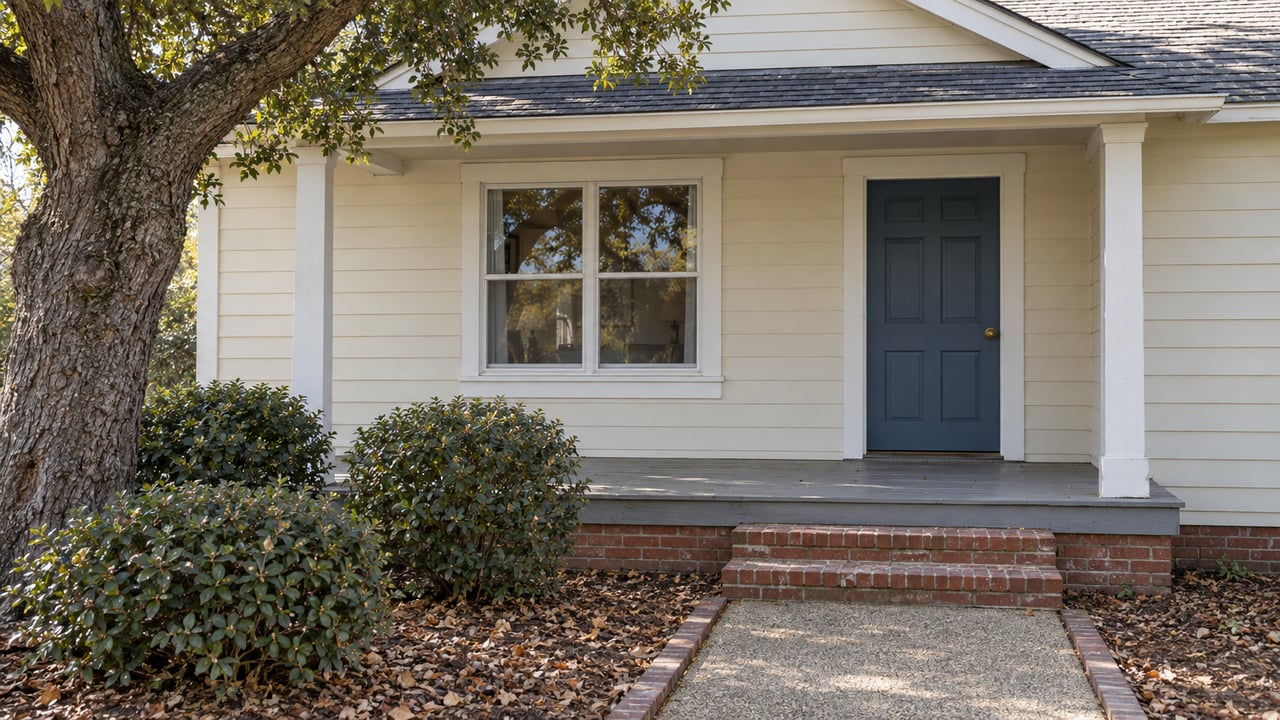
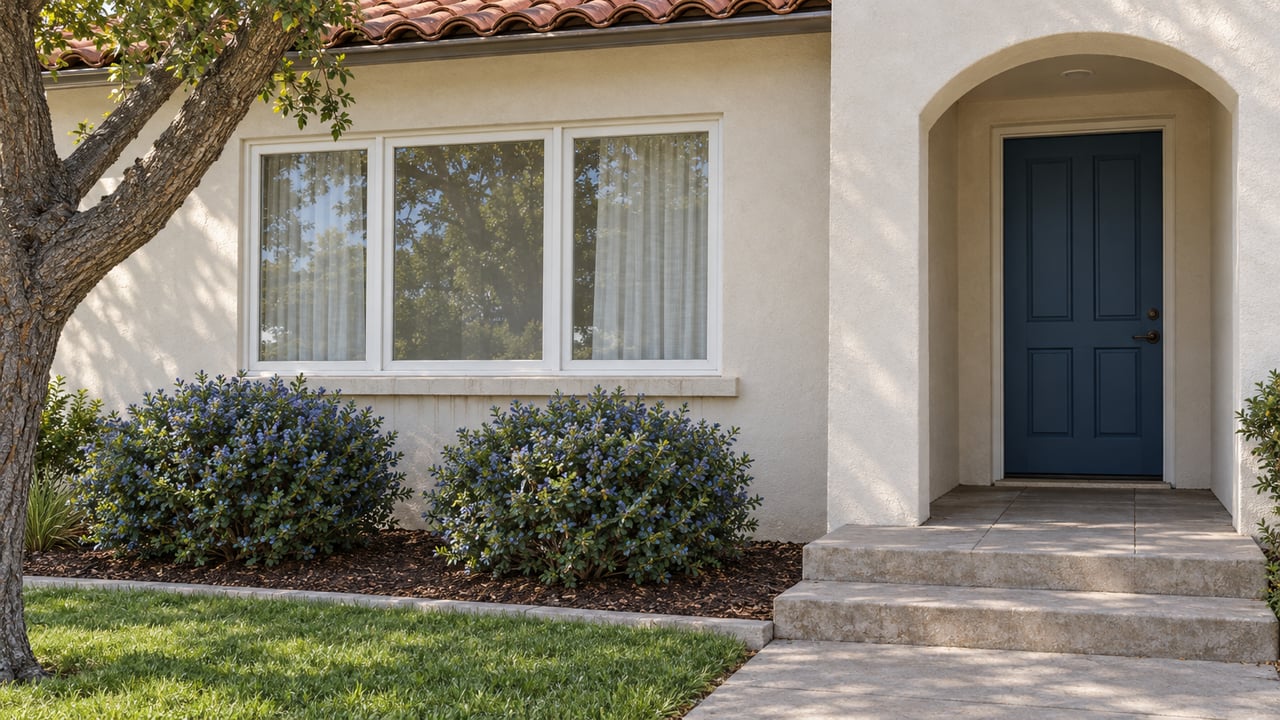
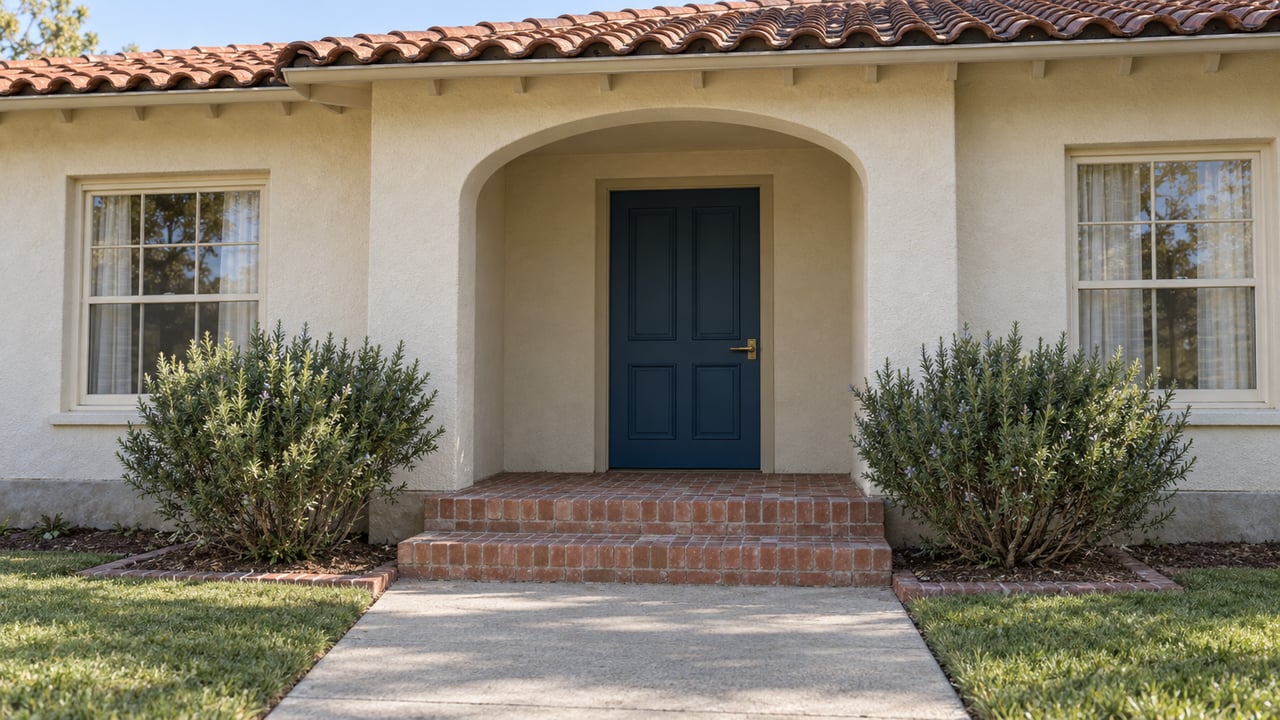
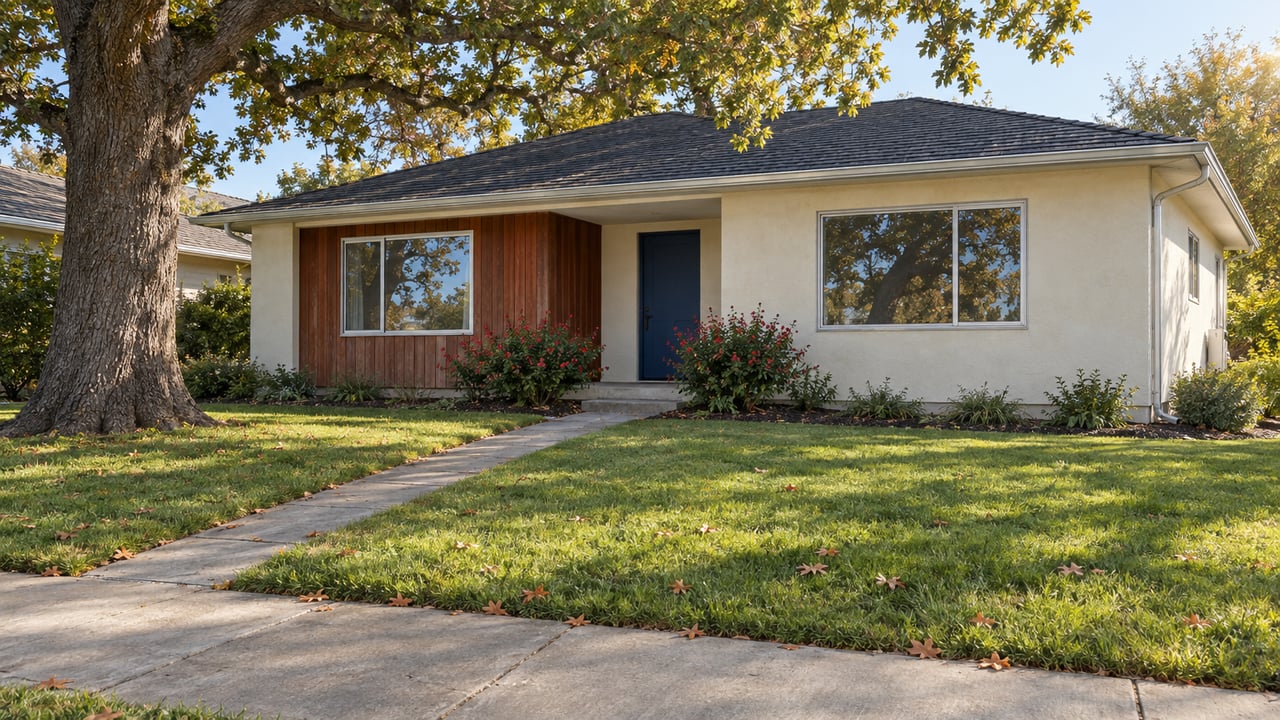
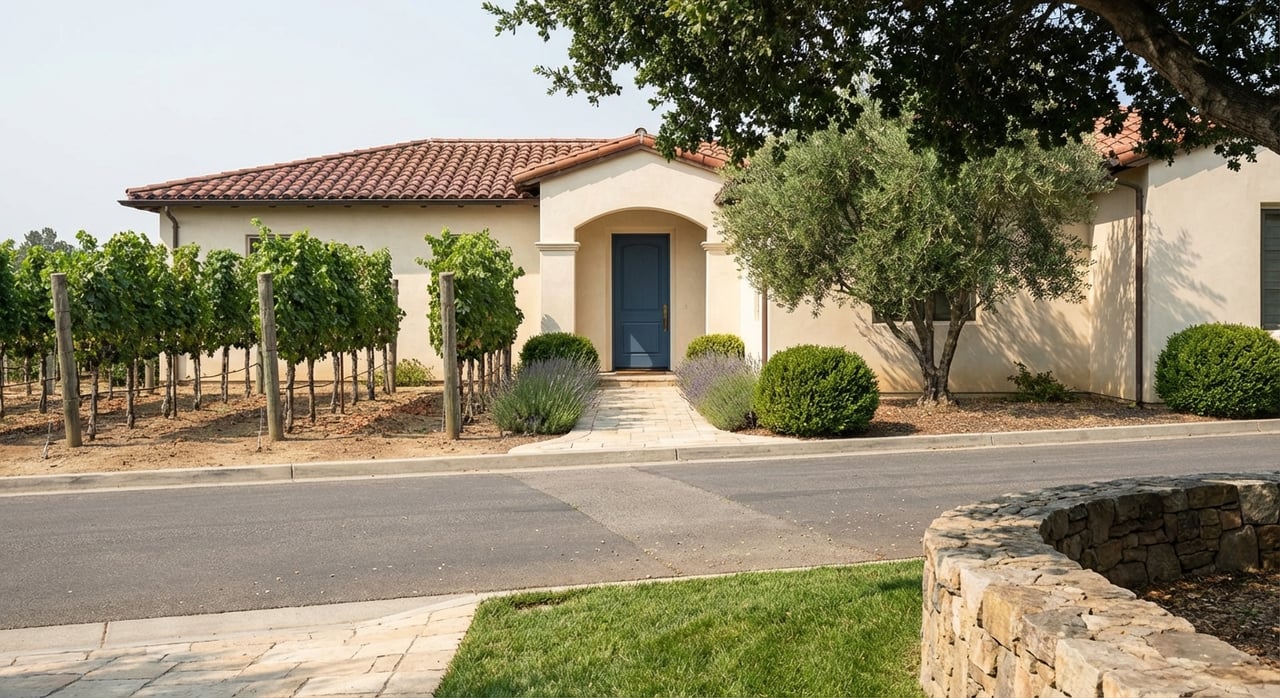
Napa’s housing shows its history and growth. Near downtown you will see Victorian and Italianate facades, Craftsman bungalows, and early 20th-century homes. Across the city you also find mid-century ranch houses, contemporary infill, and modern vineyard-edge properties that embrace the landscape. The mix reflects the city’s active focus on historic resources alongside newer development.
Everyday essentials
Downtown acts as the city’s daily hub for coffee, casual meals, and small errands. Oxbow Public Market is a handy stop for specialty groceries and weeknight dinners. Healthcare needs are served locally by Providence Queen of the Valley Medical Center. Public K–12 schools are operated by the Napa Valley Unified School District, which many families review as part of a move.
Arts, culture, and festivals
Napa’s arts scene is small yet visible around town, with murals and installations along the Rail Arts District. The city’s social calendar also includes major festivals, most notably BottleRock on Memorial Day weekend. Expect a fun energy during event weeks along with heavier traffic near venues.
Parks, trails, and the river
Outdoor time in Napa can be as simple as a riverfront stroll or as active as a morning trail run. You will find neighborhood parks across the city and open-space favorites like Alston Park for dog walks and views. Sections of the Napa Valley Vine Trail open up valley-spanning walking and biking routes. Check the city’s biking and hiking trails page for maps and options.
A quick weekend routine
- Morning: Coffee downtown, then a loop along the riverfront trail.
- Midday: Hit Oxbow for lunch and a grocery run.
- Afternoon: Trail time at Alston Park or a casual bike ride on a Vine Trail segment.
- Evening: Small plates on First Street, then a show or live music.
Getting around and commuting
Most residents drive for day-to-day errands, and many work locally in wine, hospitality, healthcare, education, and government. If you need to reach the wider Bay Area, you have a few realistic options.
Typical drive times
Napa to San Francisco is roughly 50 to 60 miles and commonly takes about 1 to 1.5 hours one way, depending on route and traffic. Peak congestion on Highway 29, Highway 37, and I‑80 can add time, especially during commute windows. For a practical overview of routes, see this guide on getting to Napa from San Francisco.
Bus to BART
VINE Transit runs local routes and regional service, including an express link to the El Cerrito del Norte BART station. In 2025, VINE expanded Route 29 to improve Napa–BART connectivity. Check VINE Transit service updates for current schedules if you plan an occasional car-free commute.
Vallejo ferry option
Many commuters pair a short drive or local bus ride with the Vallejo ferry to San Francisco. The crossing to the Ferry Building typically takes around 60 minutes, and it can be a low-stress alternative if your work hours align. Explore schedules and connections on the Vallejo–San Francisco ferry overview.
Airports
SFO, OAK, and SMF are all usually 1 to 1.5 hours by car, traffic permitting. Choose based on your destination and flight options, and build in extra time during rush hours or weather days.
What everyday life costs
Napa’s costs run higher than many inland towns, especially for housing. The city’s population estimate is about 76,921 as of mid‑2024, reflecting a well-established community with steady housing demand. See the latest figure on U.S. Census QuickFacts for Napa.
When you scan listings, expect a spectrum:
- Starter condos or small single-family homes near downtown tend to anchor the lower end of the local market.
- Established single-family neighborhoods often range from the high hundreds of thousands into seven figures.
- Vineyard estates and larger-lot properties can reach multi-million-dollar prices.
As a baseline, American Community Survey data place the city’s median owner-occupied value in the high six figures. Recent market write-ups show citywide median sale prices that can land near or above one million, depending on the time frame and method; see this 2025 housing market review for a dated snapshot. Always check current numbers before you set a budget or make an offer.
Who works here
Wine production and wine-related tourism shape much of the regional economy, and local jobs in hospitality, healthcare, education, and city services are significant. For industry context and community resources, the Napa Valley Vintners association provides helpful background on wine’s economic role.
Trade-offs to weigh
- Lifestyle: You get a smaller-city pace with a lively downtown, strong food-and-wine culture, and easy outdoor access.
- Transportation: Outside the core, the region is car-oriented. If you commute to the Bay Area, plan around traffic windows or mix in transit or ferry options.
- Events: Festival weekends bring energy and visitors, and they also bring full restaurants and heavier traffic.
Is Napa a fit for you?
If you picture walking to dinner, chatting with vendors at Oxbow, and catching sunset along the river, downtown living may be your match. If you want more space, views, and a quiet street, head for the west side or the eastern foothills. Either way, you are never far from vineyards, parks, and the city’s social core.
Ready to explore homes or talk through timing and budget? Reach out to the Loney & Worley Team for local guidance, thoughtful pricing advice, and a tailored plan.
FAQs
Is downtown Napa walkable for daily needs?
- Yes. Downtown and the Oxbow District group many restaurants, shops, and a market hall within a short walk. See a local route on this downtown walking tour.
How long is the commute from Napa to San Francisco?
- Plan for about 1 to 1.5 hours one way by car, depending on route and traffic. You can also pair driving or local bus service with the Vallejo–San Francisco ferry for certain schedules.
Are there bus options from Napa to BART?
- Yes. VINE Transit operates regional routes, including Route 29 to El Cerrito del Norte BART, with 2025 service improvements. Check VINE Transit updates before you ride.
What outdoor activities are close to home in the City of Napa?
- Neighborhood parks, riverfront paths, and open spaces like Alston Park make quick daily outings easy. The city’s biking and hiking page lists routes and maps.
What is the latest population estimate for the City of Napa?
- The mid‑2024 estimate is about 76,921 residents. See the current figure on U.S. Census QuickFacts.
What industries shape local jobs in Napa?
- Wine and wine-related tourism are key, with additional roles in hospitality, healthcare, education, and public services. The Napa Valley Vintners site offers industry context.