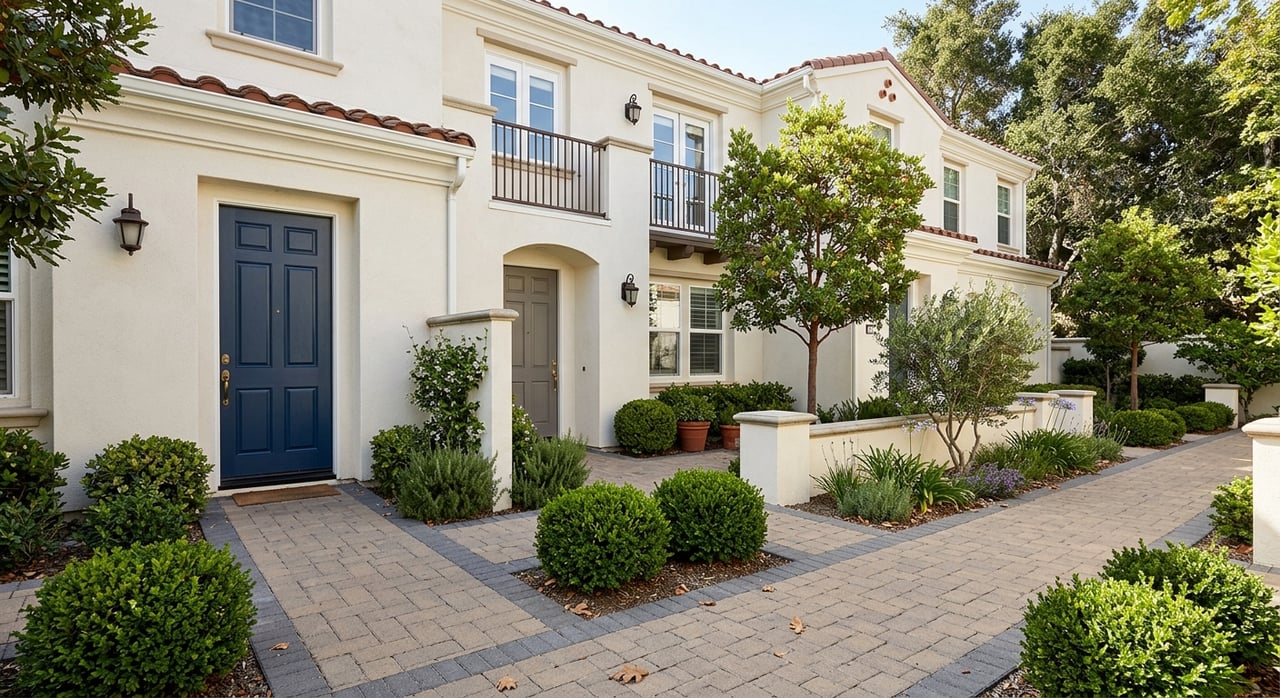
If you want to buy in Davis but a detached home feels out of reach, a condo or townhome may be the opening you need. Attached housing can offer a lower price point, less exterior upkeep, and a practical way to stay in a competitive market. The key is knowing that in Davis, you are not just buying square footage. You are also buying into an HOA, a set of rules, and a project-specific setup for maintenance, parking, and financing. Let’s dive in.
Why condos and townhomes matter in Davis
Davis remains a competitive market. In March 2026, Redfin reported a median sale price of $685,000 in Davis, with homes selling in about 8 days and receiving about 3 offers on average.
Attached housing may offer a more accessible entry point. In Redfin’s Davis condo snapshot, there were 17 condos for sale at a median listing price of $505,000, along with 2 townhouses and 7 multifamily units in the same view. While that is not a direct apples-to-apples comparison to the citywide sale price, it does suggest that condos and townhomes can be worth a serious look if you want to buy in Davis.
For many buyers, the appeal is simple. You may have less exterior maintenance to handle yourself while still getting into the Davis market. At the same time, that convenience usually comes with HOA dues, shared maintenance rules, and limits that can affect parking, rentals, and home updates.
Condo vs. townhome in Davis
Exterior style does not decide it
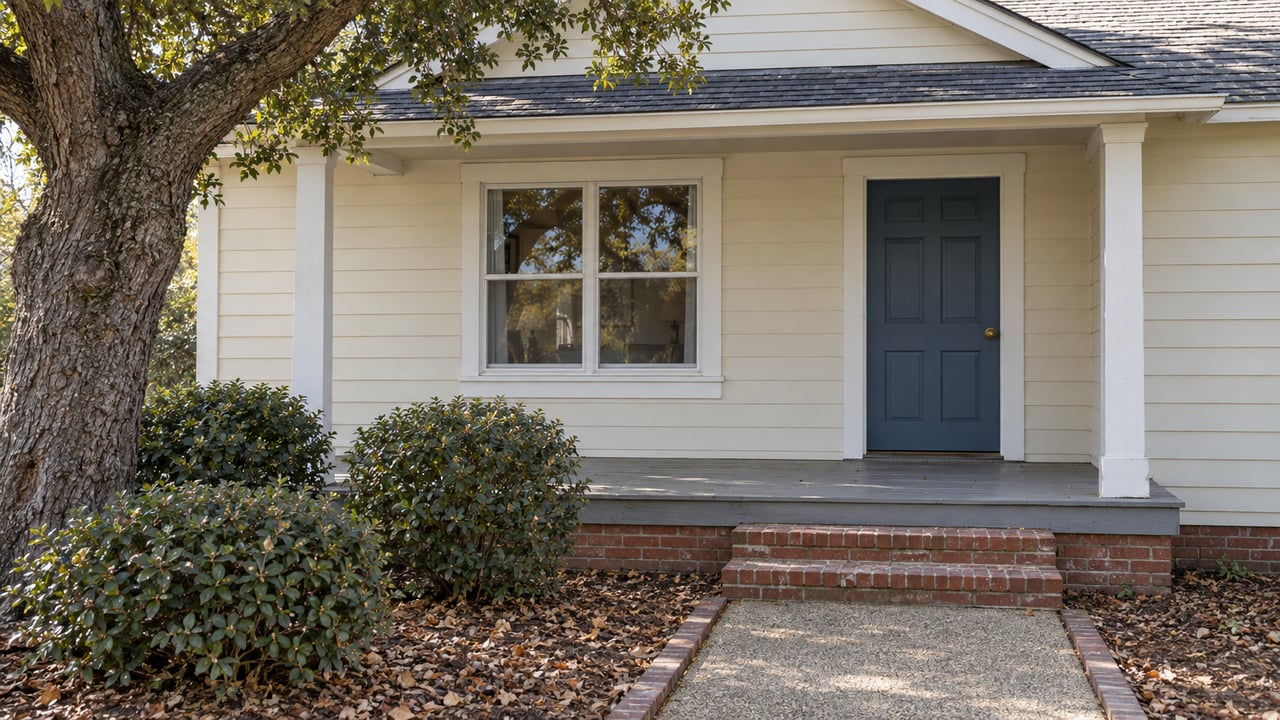
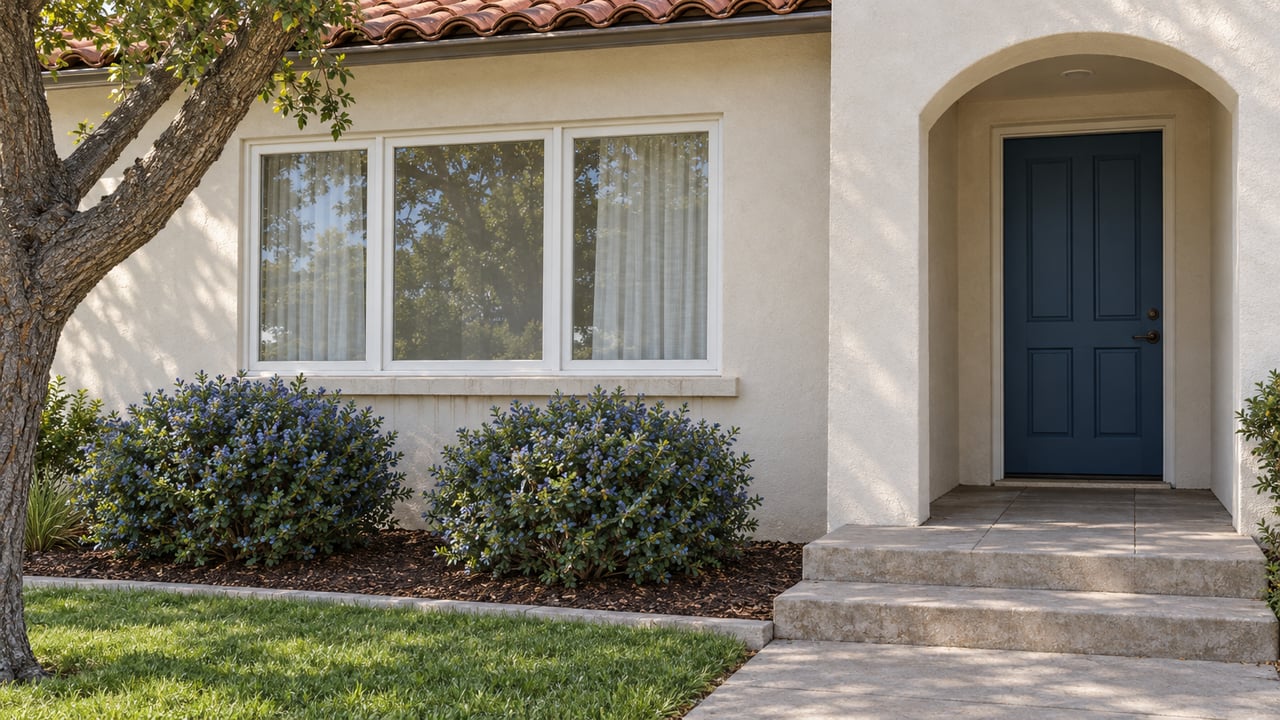
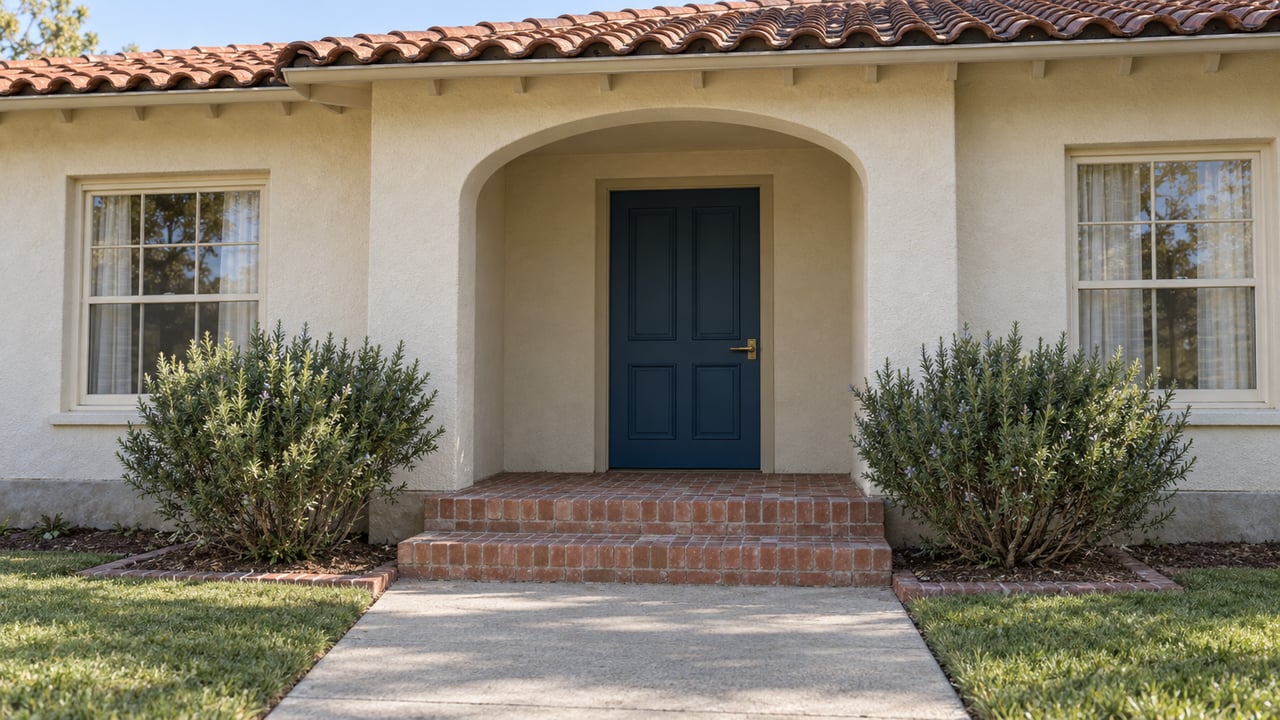
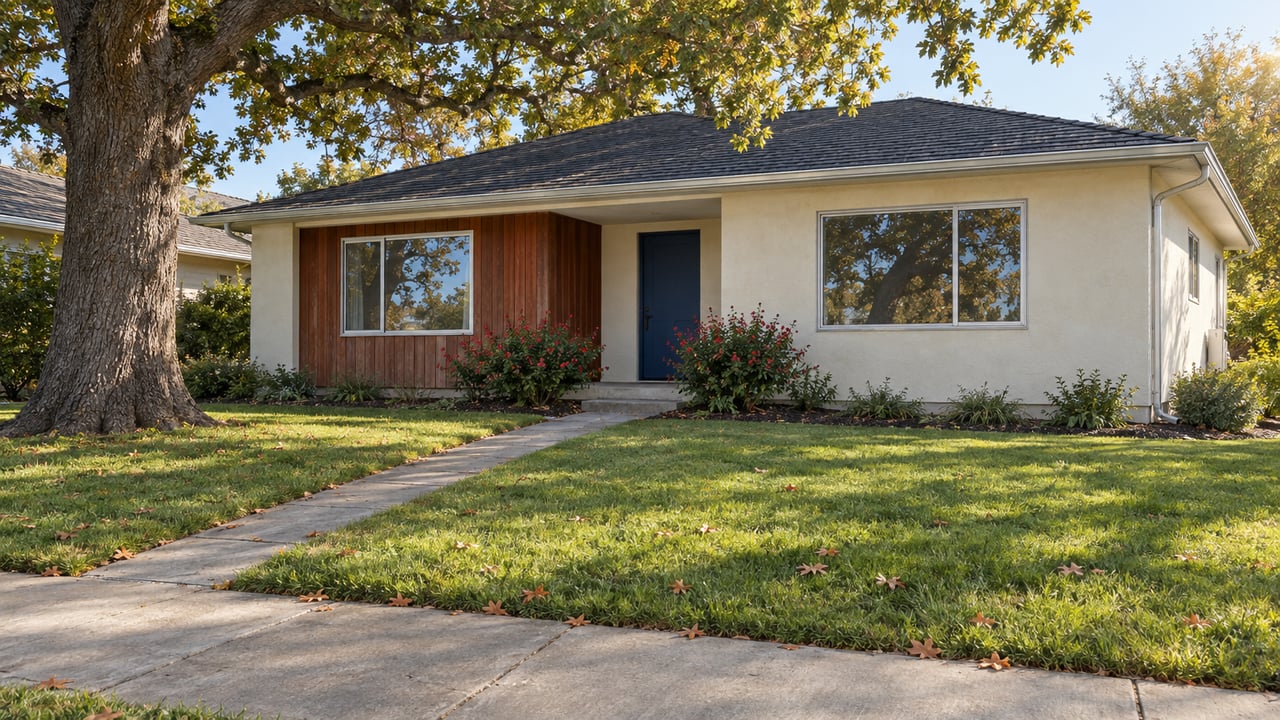
One of the biggest misconceptions is that a townhome is always different from a condo because of how it looks. In California, that is not necessarily true. The legal structure comes from the recorded project documents, not the exterior design.
The California Department of Real Estate notes that a home that looks detached can still be a condominium or part of a planned development. When you buy into a common interest development, membership in the homeowners association is automatic.
The legal category affects ownership
California Civil Code section 4125 defines a condominium as a separate unit paired with an undivided common interest. Section 4175 defines a planned development as a different legal category that generally involves separately owned lots or space plus common area maintained by an association.
That matters because the ownership structure helps determine what you control directly and what the association controls. It can affect maintenance duties, insurance needs, lender approval, and what approvals you may need before making changes.
Why maintenance rules matter
Before you buy, make sure you understand who handles what. Under California Civil Code section 4775, unless the governing documents say otherwise, the HOA is generally responsible for common area repair, replacement, and maintenance. The owner is generally responsible for the separate interest and often any exclusive-use common area tied to the unit.
In plain terms, that could mean the HOA handles some exterior elements, shared landscaping, or community systems, while you remain responsible for the interior and certain private-use spaces. The exact split can vary by project, so this is not something to guess at from a listing photo.
HOA rules may also regulate daily-use items that matter more than buyers expect. The DRE notes that rules can cover where residents park, what may be placed on a balcony or deck, and what changes require prior approval.
Review the HOA packet carefully
If there is one step you do not want to rush, it is HOA document review. California Civil Code section 4525 requires a seller to provide key association documents and disclosures to the buyer.
That package can include:
- Governing documents such as CC&Rs, bylaws, and rules
- Recent annual budget materials
- Current assessments and any unpaid fees or fines
- Unresolved violation notices
- Pending assessment changes
- A statement about rental prohibitions, if any
- Prior board minutes, if requested
- The latest inspection report, if requested
- For newer or converted projects, additional defect-related and project-status disclosures
This packet tells you how the community operates on paper and where financial or operational issues may be developing. It is one of the most important parts of your due diligence.
Focus on HOA finances
Budget and reserves tell a bigger story
The annual budget report deserves close attention. California Civil Code section 5300 requires an association’s annual budget materials to include a pro forma operating budget, reserve summary, reserve funding plan, statements about deferred repairs and likely special assessments, outstanding loans, and summaries of key insurance coverage.
For you as a buyer, this is where the numbers become real. A low monthly HOA fee may look attractive at first, but weak reserves or major deferred repairs can point to future cost pressure.
Watch for special assessment risk
The DRE’s buyer guide warns that special assessments may be used for major repairs or replacements. This can be especially important in older or converted projects where roofs, siding, plumbing, wiring, or other systems may need work that is not obvious during a showing.
If you are considering an older Davis condo or townhome community, look closely at:
- Reserve funding health
- Recent repair history
- Deferred maintenance disclosures
- Any discussion of likely special assessments
- Whether a developer subsidy period is ending, if applicable
Understand insurance before closing
Insurance is another area where condo and townhome buyers can get surprised. Section 5300 requires budget materials to summarize property, general liability, earthquake, flood, and fidelity insurance carried by the association.
Just as important, the statute warns that association insurance may not cover your personal property or improvements inside your unit. It is smart to review the deductible and understand what kind of individual policy you may need before you close.
Parking matters more in Davis
In Davis, parking and bike storage can be just as important as bedrooms and bathrooms. The city states that development projects must comply with its bike parking policy. Davis also has a preferential permit parking program that can create permit-required on-street parking areas through a petition, survey, and City Council process.
That means you should get clear answers on parking before you make an offer. Do not assume the setup will be obvious from the listing or showing.
Ask questions like these:
- Is the parking space deeded, assigned, or first-come first-served?
- Is any parking considered guest-only?
- Are there restrictions tied to city permit zones?
- Where will bikes actually be stored?
- Are garage or carport spaces attached to the unit legally or just by informal use?
In a city like Davis, these details can affect your day-to-day experience more than you might expect.
EV charging is worth checking early
If you own an electric vehicle or plan to, ask about charging right away. California Civil Code section 4745 says HOA documents may not effectively prohibit or unreasonably restrict an EV charging station in an owner’s unit or designated parking space.
Still, the practical details matter. You should verify whether the space is deeded, exclusive-use common area, or shared, and what approval process and electrical work the HOA requires.
Rental rules can affect future flexibility
Even if you plan to live in the home now, it is wise to think ahead. If you may want to rent the property later, read the lease restrictions carefully.
Section 4525 requires a statement if the governing documents prohibit rentals, and section 4741 limits HOA rental restrictions in common interest developments. Still, that does not mean every project offers the same flexibility. Lease term limits, occupancy caps, and owner-occupancy rules can all affect your plans, so the CC&Rs should be reviewed line by line.
Ask your lender about the project early
With a condo or townhome, financing is not only about your qualifications. It can also depend on the project itself.
Section 5300 requires annual budget materials for condominium projects to include FHA and VA approval-status statements. That makes the HOA packet important for financing as well as ownership.
If you are using a government-backed loan, or even if you are not, ask your lender early whether the specific project fits the loan program you want. Doing this upfront can help you avoid delays or surprises once you are under contract.
A smart Davis buying checklist
A condo or townhome purchase in Davis is as much about governance and parking as it is about floor plan and finishes. Before moving forward, keep your review focused on the issues that most often shape ownership experience.
Use this checklist as a starting point:
- Confirm whether the property is legally a condominium or planned development
- Review the CC&Rs, bylaws, and HOA rules
- Understand what the HOA maintains and what you maintain
- Check monthly dues and any pending assessment changes
- Review reserve funding and deferred repair disclosures
- Ask about special assessment history or risk
- Understand HOA insurance and your likely personal coverage needs
- Verify parking rights, guest parking, and bike storage
- Ask about EV charging rules and electrical requirements
- Review rental restrictions if future leasing matters to you
- Confirm lender compatibility with the specific project
Final thoughts on buying attached housing in Davis
For the right buyer, a Davis condo or townhome can be a smart path into a fast-moving market. You may gain affordability and reduced exterior upkeep, but the best purchase is the one that also fits your lifestyle, budget, and long-term plans.
That is why careful document review matters so much. When you understand the HOA, the maintenance split, the parking setup, and the financing details before you commit, you can make a more confident decision and avoid surprises later.
If you are weighing condo or townhome options in Davis and want clear, local guidance through the details, the Loney & Worley Team is here to help.
FAQs
What is the difference between a condo and a townhome in Davis?
- In Davis, the difference is not based only on appearance. The legal structure comes from the recorded project documents, which determine whether the property is a condominium or part of a planned development.
What extra costs should you expect when buying a Davis condo or townhome?
- In addition to your mortgage, you may have HOA dues, possible special assessments, and insurance costs related to your unit, personal property, and any HOA deductible exposure.
What should you review in an HOA packet for a Davis attached home?
- Focus on the CC&Rs, bylaws, rules, annual budget, reserve funding, insurance summaries, assessments, rental restrictions, unresolved violations, and recent board minutes if requested.
Why is parking such a big issue for Davis condo and townhome buyers?
- Parking matters because spaces may be deeded, assigned, shared, or affected by guest rules and city permit programs. Bike storage also matters because Davis requires development projects to comply with its bike parking policy.
Can you install an EV charger at a Davis condo or townhome?
- California law protects EV charging access in many common interest developments, but you still need to confirm the type of parking space involved and the HOA’s approval and electrical requirements.
Can you rent out a Davis condo or townhome later?
- Possibly, but you should not assume it. Review the HOA documents for rental prohibitions, lease term limits, occupancy caps, and owner-occupancy rules before relying on the property as a future rental.