Choosing where to live in Napa is not just about picking a home. It is about choosing the pace, setting, and daily routine that fit you best. If you are weighing downtown convenience against the feel of a residential neighborhood, this guide will help you compare the two and see how each lifestyle plays out in real life. Let’s dive in.
How Napa Shapes the Choice
Napa frames downtown as its mixed-use core. The City of Napa’s Downtown Specific Plan describes it as a vibrant, pedestrian-oriented city center, and the downtown planning area covers about 210 acres centered on the Napa River and Oxbow Public Market.
At the same time, Napa is not a one-note city outside downtown. The city says it includes 26 neighborhoods, each with its own history, needs, and character. That means “neighborhood living” in Napa can look very different depending on where you land.
Some areas feel close-in and connected, while others offer a more removed residential setting. City descriptions highlight Alta Heights for varied architecture and sweeping views, Fuller Park for its primarily residential feel and period homes, and Vintage for its roots as a former orchard and agricultural area developed in the 1950s with mountain and vineyard views.
Downtown Napa Lifestyle
Downtown Napa tends to appeal to buyers who want activity close at hand. The city’s downtown vision centers on shops, eateries, entertainment, civic spaces, and riverfront public areas that encourage people to move around on foot.
The Downtown Specific Plan also supports a park-once approach. In simple terms, that means downtown is designed so you can arrive, leave the car behind, and walk between destinations instead of driving from stop to stop.
That design focus shows up in day-to-day living. A downtown address at 1351 2nd Street has a Walk Score of 97, labeled a Walker’s Paradise, which points to a very high concentration of errands and outings that can be done without a car.
For many buyers, that translates into a more spontaneous routine. You may be able to step out for dining, shopping, public events, or a walk near the river without much planning.
What Downtown Often Offers
- Easy access to downtown destinations like Oxbow Public Market, restaurants, shopping, and civic activity
- A more pedestrian-focused environment
- Public spaces and riverfront promenades
- A lower-maintenance lifestyle for buyers who prefer less yard work
- A mix of housing types and historic character
Neighborhood Living in Napa
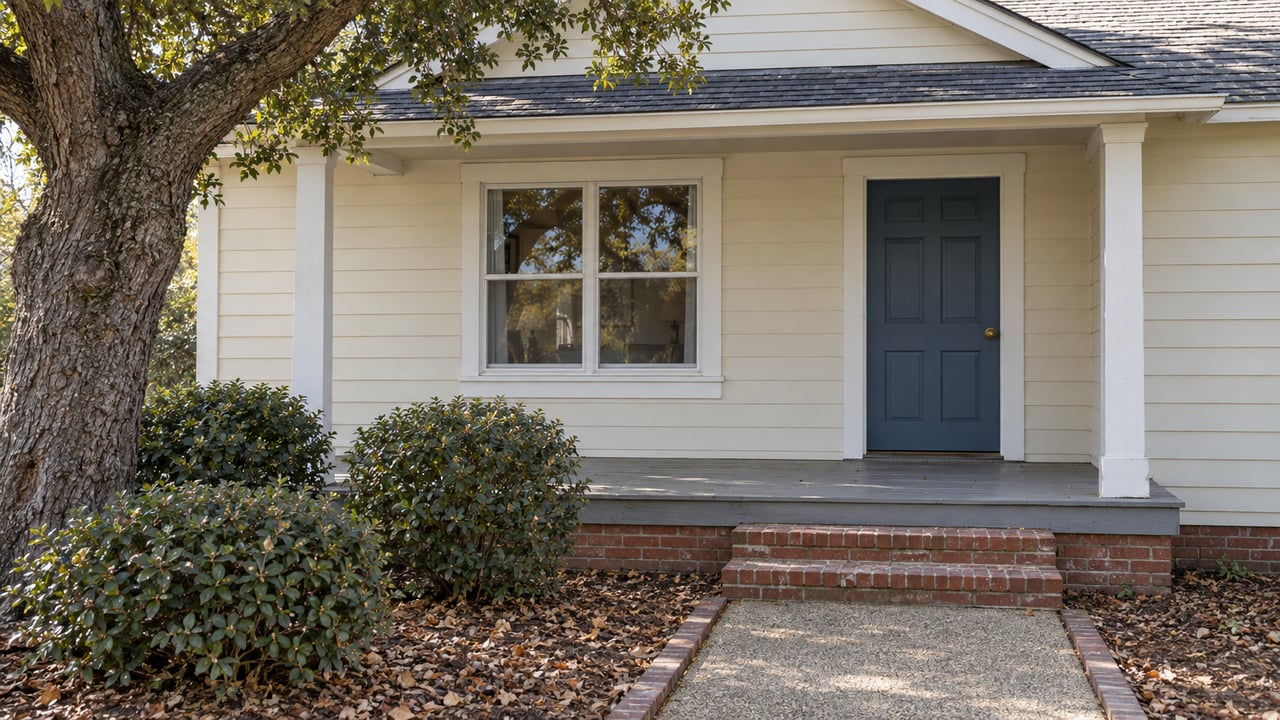
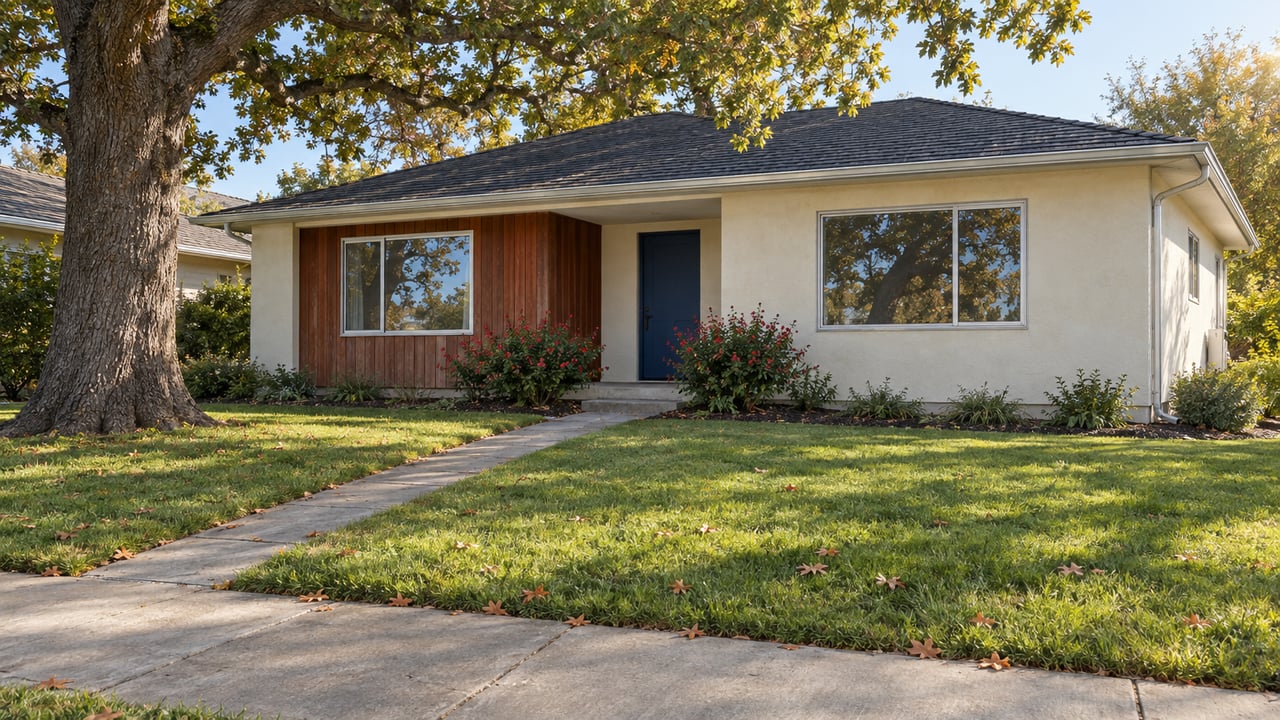
Neighborhood living in Napa usually offers a different rhythm. Instead of focusing on a dense cluster of daily destinations, many residential areas offer more privacy, a calmer setting, and a more traditional house-and-yard pattern.
The city’s residential design guidelines help explain why. Napa notes that older pre-war neighborhoods were often compact and walkable, with parks, shopping, and other daily needs integrated more closely into neighborhood life. Many postwar subdivisions, by contrast, were built in a more auto-oriented way, with fewer nearby destinations and less connected street patterns.
That means there is no single neighborhood experience in Napa. Some areas may still feel fairly connected to daily needs, while others lean more toward space, parking, and a drive-first routine.
What Neighborhoods Often Offer
- More private outdoor space
- Greater separation from busy commercial activity
- More traditional detached-home settings
- Easier access to yards and garages
- A quieter backdrop, depending on the specific area
The city’s own neighborhood descriptions support that range. Fuller Park is described as primarily residential with many period homes, Alta Heights features varied architecture and views, and Vintage offers a setting near the city limit with mountain and vineyard views.
Walkability Versus Space
One of the biggest differences between downtown and neighborhood living in Napa is how often you want to walk versus drive. Downtown is planned to prioritize walking, biking, transit, and connected public spaces, so it naturally supports a more on-foot lifestyle.
Nearby residential areas can still offer some walkability, but the experience changes quickly by location. For example, a close-in residential address on East 1st Street in Alta Heights scores 69 on Walk Score, while the neighborhood itself scores 40. That gap shows how much the experience can vary even when you stay near downtown.
If you value being able to handle more of your day without getting in the car, downtown may feel like the stronger match. If you care more about extra room, parking, and a quieter setting, a residential neighborhood may check more boxes.
Home Styles and Housing Feel
Housing stock is another important part of the decision. Downtown housing is limited and mixed, with the city noting roughly 125 housing units there at the time of the Downtown Specific Plan, made up primarily of single-family homes, duplexes, and apartments.
Downtown also reflects a blend of old and new. City planning documents emphasize adaptive reuse, historic buildings, and compatibility between newer construction and older structures, with historic resources ranging from Victorian houses to turn-of-the-century commercial mixed-use buildings.
Neighborhoods often deliver a more classic residential layout. Napa’s design guidelines favor traditional front-yard depth, porch-oriented street edges, less visible parking, and detached rear-yard garages in many settings, all of which point to a more private and less intense street environment than the downtown core.
For you, this may come down to how you picture home. If you want a low-maintenance setup close to activity, downtown may stand out. If you picture a detached home, more yard area, and a stronger sense of residential separation, neighborhood living may feel more natural.
Outdoor Living Looks Different
It is easy to assume downtown living means giving up outdoor access, but that is not the full picture. Downtown offers public-facing outdoor spaces like promenades and plazas, while residential areas often shift that experience toward private lots and neighborhood parks.
Napa’s parks system is a meaningful part of this comparison. The city says it has more than 54 parks covering 800 acres, along with miles of natural and paved trails for walking, biking, and hiking.
So the question is less about whether you can get outside and more about how you want to do it. Do you prefer stepping into a shared public environment, or would you rather have more of your outdoor living tied to your own property and nearby neighborhood spaces?
Which Option Fits You Best?
For many buyers, the smartest way to think about Napa is not as a strict downtown-versus-neighborhood split. It is more of a continuum.
Close-in neighborhoods like Fuller Park and Alta Heights can offer some of downtown’s convenience while keeping a more residential feel. More outlying neighborhoods often trade some walkability for more space, parking, and a calmer pace.
A few questions can help clarify your next move:
- How often do you want to walk to dining, shopping, or entertainment?
- How important are a yard and garage to your daily life?
- How much street activity feels comfortable to you?
- Do you prefer a condo, a historic house, or a detached home?
- Would you rather spend more time in shared public spaces or private outdoor areas?
Your answers can point you toward the right part of Napa faster than price alone. Lifestyle fit matters, especially in a city where the differences between blocks and neighborhoods can be meaningful.
If you are comparing Napa options and want practical guidance based on your goals, the Loney & Worley Team can help you evaluate neighborhoods, home styles, and day-to-day tradeoffs with a local, relationship-first approach.
FAQs
What is the main difference between downtown and neighborhood living in Napa?
- Downtown Napa centers on walkability, mixed-use activity, and easy access to destinations, while neighborhood living usually offers more privacy, space, and a more traditional residential setting.
How walkable is downtown Napa compared with nearby neighborhoods?
- Walkability can vary by block, but the research shows a downtown address on 2nd Street with a Walk Score of 97, while a close-in Alta Heights address scores 69 and the neighborhood overall scores 40.
What kinds of homes can you find in downtown Napa?
- Downtown housing is limited and mixed, with single-family homes, duplexes, apartments, historic structures, and mixed-use residential development all part of the overall housing picture.
What do Napa neighborhoods outside downtown typically offer?
- Depending on the area, Napa neighborhoods may offer more yard space, garages, varied architectural styles, and a quieter residential backdrop than the downtown core.
Is neighborhood living in Napa less connected to outdoor activities?
- No. The City of Napa says there are more than 54 parks across 800 acres, plus miles of natural and paved trails, so neighborhood living still provides strong access to outdoor spaces.
Which Napa areas can offer a middle ground between downtown and suburban living?
- Close-in neighborhoods like Fuller Park and Alta Heights may offer some downtown convenience while still feeling more residential.