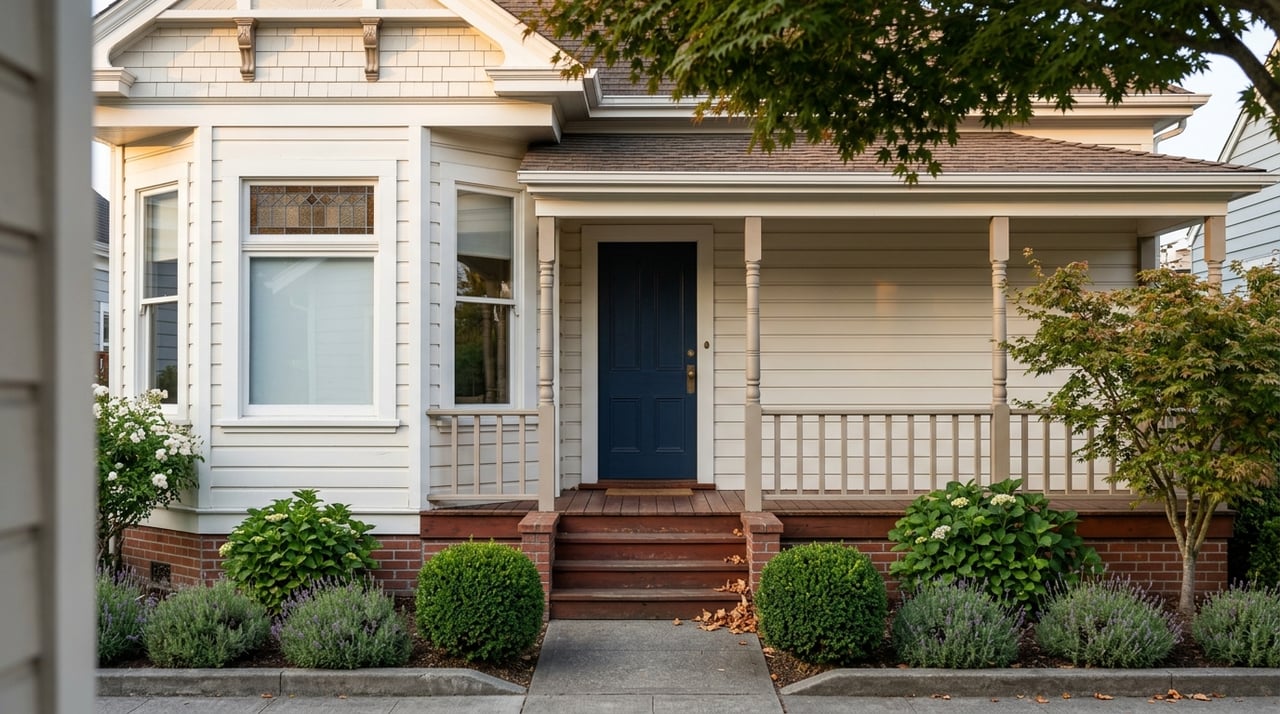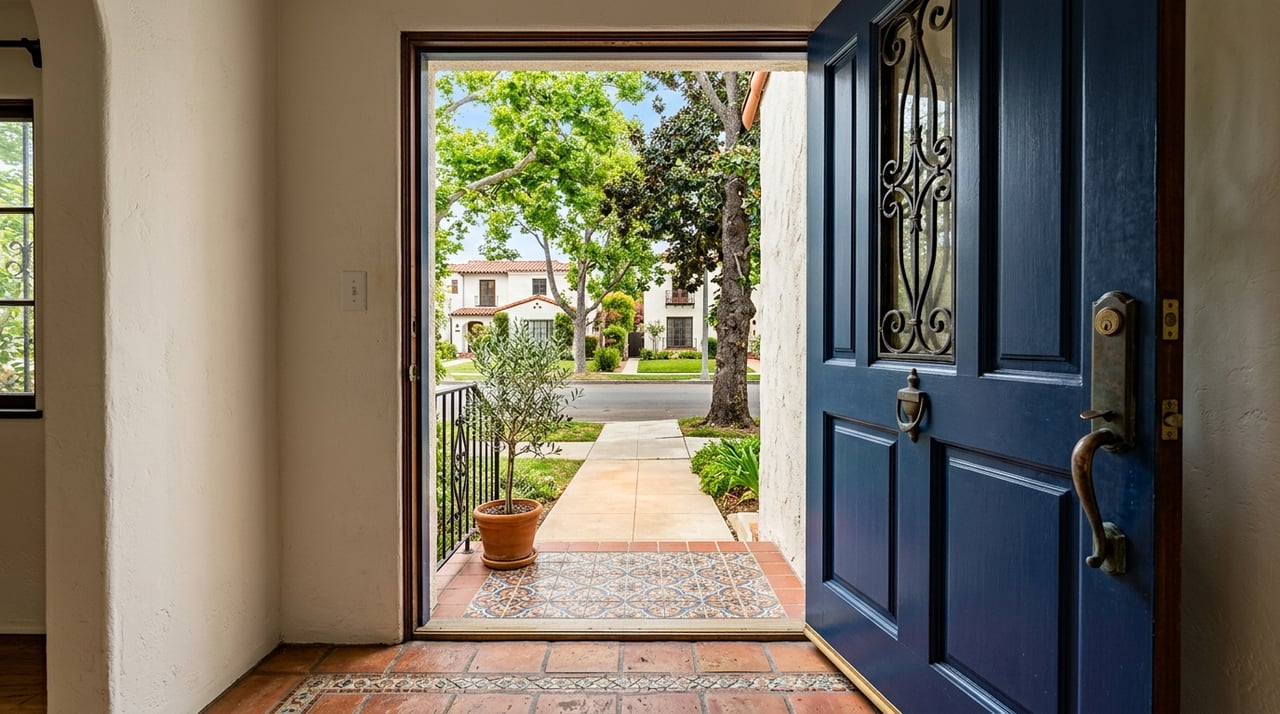
If you are thinking about selling a Solano County rental or an investment property tied to a 1031 exchange, timing matters more than many owners expect. You may be balancing tenant rights, lease deadlines, disclosure requirements, and a tax strategy that can shift quickly once escrow closes. The good news is that with the right planning, you can move forward with more clarity and fewer surprises. Let’s dive in.
What makes these sales different
Selling a tenant-occupied property is not the same as selling a vacant home. In California, a voluntary sale does not erase a tenant’s rights, and many of the key decisions depend on whether the tenant is on a fixed-term lease or a month-to-month agreement.
If a 1031 exchange is part of your plan, the sale also has a second layer of pressure. Your exchange deadlines begin after the relinquished property transfers, so your selling strategy and your exchange coordination need to line up before closing, not after.
Tenant rights still apply during a sale
One of the biggest misunderstandings sellers have is assuming a listing or sale automatically means the tenant has to leave. Under California law, that is not how it works. Tenants with a lease generally have the right to stay through the end of the rental agreement on the same terms.
If the property has a periodic tenancy, such as month-to-month, the path can be different. A new owner may be able to end that tenancy only if the law allows it and proper notice is given. In many cases, statewide tenant protections may also require just cause and additional notice details.
For Solano County owners, this means your first step is not marketing. It is understanding the current tenancy, the lease dates, and whether local city rules may add protections beyond state law.
Start with the lease and tenant status
Before you decide when to list, gather the basic facts about the tenancy. These details shape your pricing, your showing schedule, your buyer pool, and your timing.
Key questions to answer early include:
- Is the tenant on a fixed-term lease or month-to-month?
- How long has the tenant occupied the property?
- Does the property fall under statewide tenant protections?
- Is the property located in a city with additional local rent or eviction rules?
- Will the property be sold with the tenant in place or delivered vacant, if permitted by law?
This is where many sales either get smoother or harder. A clear review up front helps you avoid promising buyers a timeline that the law or the lease does not support.
Showing an occupied rental in California
Yes, you can show a tenant-occupied property, but you need to follow California’s rules for entry. Civil Code 1954 allows entry to exhibit a unit to prospective purchasers with at least 24 hours’ reasonable notice.
There is also a timing detail that matters. If the tenant was told in writing within the prior 120 days that the property is for sale, the notice for showings may be oral, in person, or by phone. Even when the law allows access, a respectful and organized showing plan usually leads to a better result for everyone.
A practical showing approach often includes:
- Giving clear notice each time access is needed
- Consolidating showings when possible
- Keeping the property secure during and after tours
- Communicating timelines so the tenant knows what to expect
For sellers, this is not just about compliance. It is also about preserving cooperation, reducing friction, and protecting the presentation of the property while it is on the market.
Do you have to wait for the lease to end?
Not always, but the answer depends on the tenancy. If the tenant has a fixed-term lease, that lease generally runs through its stated term unless another lawful basis changes the situation.
For month-to-month tenancies, California Courts says the standard termination notice is typically 30 days if the tenant has rented for less than one year and 60 days if one year or more. If the Tenant Protection Act applies, the notice generally must also state the just cause and any required relocation assistance or rent waiver.
The statewide Tenant Protection Act gives most residential tenants just-cause protections after 12 months. No-fault reasons can include owner move-in, withdrawal from the rental market, substantial remodel, demolition, or compliance with a law or government order. For a substantial remodel, the work must require a permit, cannot be cosmetic only, and must require the tenant to vacate for at least 30 consecutive days.
Because local city rules can add protections, sellers in Solano County should verify the rules that apply where the property actually sits before making plans around vacancy. State law is the starting point, not always the final word.
Security deposits and transfer duties
A sale does not wipe out the tenant’s security deposit rights. The selling landlord must either transfer the deposit to the buyer or return it to the tenant.
California also requires written notice to the tenant about the transfer, any deductions, and the buyer’s contact information. This is an easy item to overlook during escrow, but missing it can create avoidable problems after closing.
A simple pre-listing file should include:
- The current lease or rental agreement
- Deposit records
- Written notices already given to the tenant
- Property access communication records
- Any city-specific forms or compliance documents
Lead disclosure can slow an older-property sale
If the home was built before 1978, lead-based paint disclosure rules can come into play before sale or lease of most housing. Sellers or landlords must provide the EPA pamphlet and disclose known lead hazards.
For owners of older Solano County rentals, it helps to gather this paperwork early rather than scrambling in escrow. This is especially important when a property already has enough moving parts because of tenants, estate administration, or exchange timing.
1031 exchange timing starts at closing
If your sale may be part of a 1031 exchange, one rule matters above all: the clock starts when the relinquished property transfers. For a deferred exchange, the replacement property must be identified within 45 days and received within 180 days, or by the tax return due date if earlier.
That deadline catches many sellers off guard because the sale can feel like the finish line. In reality, for exchange purposes, closing is the point where the next phase begins.
Section 1031 now applies only to real property held for investment or productive use in a trade or business. Rentals, land, and other investment real estate can qualify if both the sold property and the replacement property are held for investment or business use.
Why your 1031 team should be lined up early
If you wait until after closing to think about the exchange, you may lose valuable time during the 45-day identification window. The IRS rules also make clear that the seller cannot take actual or constructive receipt of the sale proceeds.
A qualified intermediary or qualified trust is a common safe harbor because the intermediary can hold the funds and facilitate the exchange. If you receive cash or other non-like-kind property, gain is recognized to that extent.
For many investors and estate representatives, the smartest move is to coordinate early with the professionals already involved in the process. That can help you align pricing, buyer terms, and closing logistics with your tax planning goals.
Solano County owners should plan locally
A rental or 1031 sale is rarely just a paperwork exercise. In Solano County, owners often need to make decisions that affect marketing, occupancy, timing, and buyer appeal all at once.
That is why local knowledge matters. A property in Fairfield, Vacaville, Benicia, Dixon, or Suisun City may share California rules, but city-specific requirements can still change how a sale should be handled. If the property is subject to additional local rent or eviction rules, those may layer on top of state law.
Solano County also offers a local housing resource through its Home Assist counseling program, which provides tenant and landlord rights and responsibilities education, eviction-prevention education, and financial-literacy workshops. For some owners and family representatives, that can be a useful local support point while preparing for sale.
A practical sale plan for owners
When you are selling a rental or exchange property, a calm, documented process usually works best. The goal is to reduce surprises for you, the tenant, and the eventual buyer.
A strong starting plan often looks like this:
- Review the lease, tenancy type, and occupancy timeline.
- Confirm whether statewide tenant protections apply.
- Check for any city-specific rules where the property is located.
- Organize security deposit records and required notices.
- Gather pre-1978 lead disclosure paperwork if applicable.
- Build a showing plan that follows notice rules.
- If a 1031 exchange is possible, coordinate with your CPA and qualified intermediary before closing.
This kind of preparation does more than protect compliance. It also helps you market the property honestly, negotiate from a stronger position, and keep your timeline realistic.
If you are weighing whether to sell with the tenant in place, wait for lease timing, or structure the sale around a possible exchange, experienced guidance can make the path much clearer. The Loney & Worley Team helps Solano County owners navigate complex property sales with a local, high-touch approach.
FAQs
Can I sell a Solano County rental property with the tenant still living there?
- Yes. In California, listing or selling a rental does not automatically remove the tenant’s rights, and tenants generally keep their lease rights during the sale.
Do I need to wait until a tenant’s lease ends before selling a California rental?
- Not always. Fixed-term leases generally continue through their term, while month-to-month tenancies may require specific notice and, if covered by statewide protections, just cause and possible relocation assistance or rent waiver.
Can I show an occupied rental property in California during the sale process?
- Yes. California Civil Code 1954 allows entry to show the property to prospective purchasers with at least 24 hours’ reasonable notice, subject to the law’s notice rules.
What happens to the tenant’s security deposit when a rental property is sold in California?
- The selling landlord must either transfer the deposit to the buyer or return it to the tenant, and must give written notice covering the transfer details, any deductions, and the buyer’s contact information.
When should I set up a 1031 exchange for an investment property sale?
- Before closing. The identification and exchange deadlines begin after the sold property transfers, and the seller cannot take actual or constructive receipt of the sale proceeds if the exchange is to be structured properly.
Do Solano County rental property owners need to check local city rules before selling?
- Yes. California state law is important, but local city rules may add tenant protections, so owners should verify the rules that apply where the property is located.